
Cereal Packaging Ideas can grab a shopper’s attention and make a box stand out on the shelf. Strong design uses bright color, clear words, and a visible product view to show what the cereal offers. A strong box uses one dominant color, a clear name, and a simple focal image so the eye lands where it matters first.
Add a shaped window or a clear photo to reveal texture and size. Choose finishes that suit the product mood, such as a matte finish for premium health cereals or a small gloss spot for playful kids’ ranges. Always test the box in store light and in a thumbnail view to confirm the visual reads at all sizes.
Cereal Packaging Ideas That Blend Fun & Function for Maximum Appeals
1. Bold Character Art
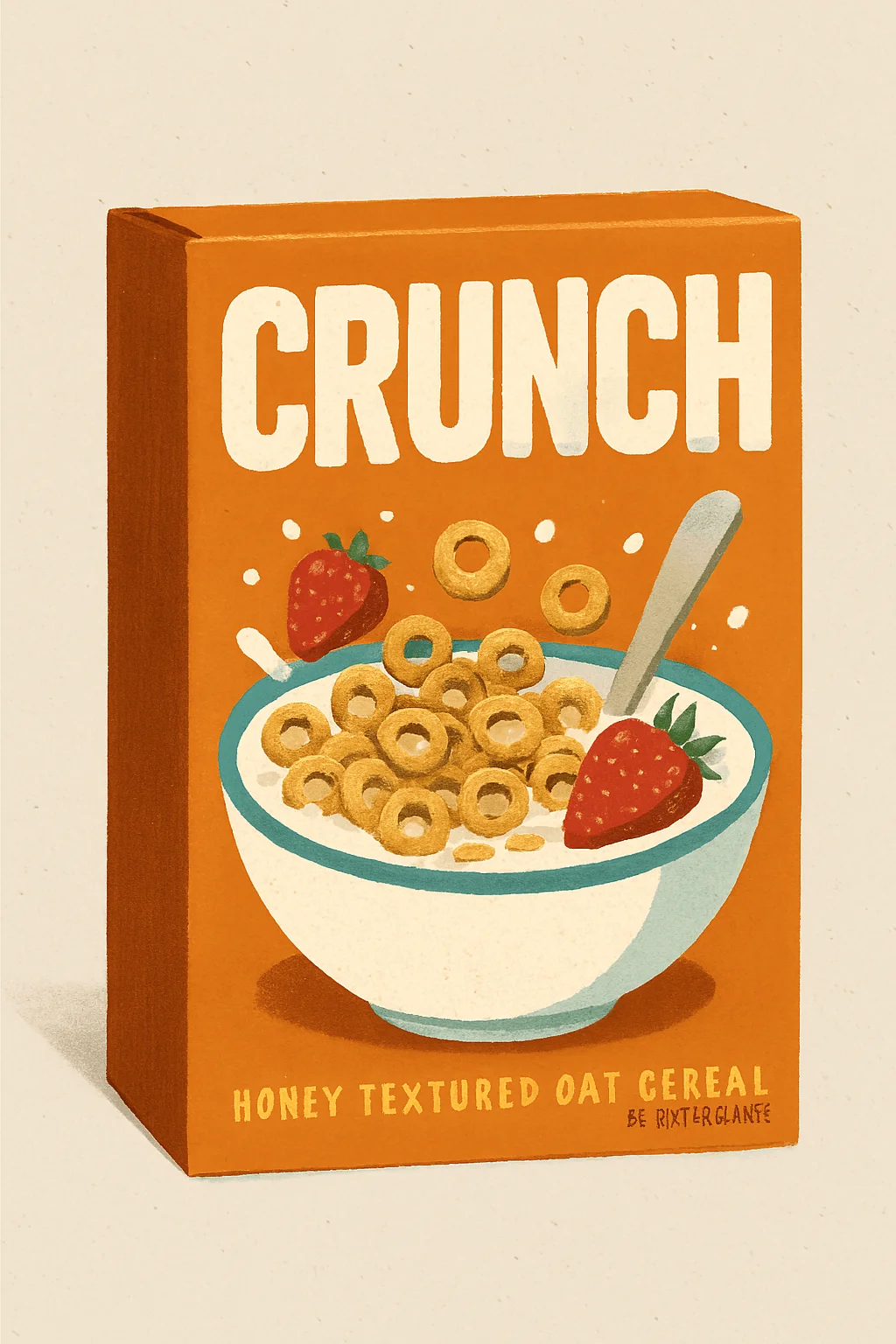
Pick a friendly character consumers might know and remember, and set it near the product window so the character draws the attention to the cereal. To ensure the mascot is legible from afar and in thumbnails, maintain basic artwork using big forms and one accent color. Use the character across social posts and ads for a steady brand voice that builds recognition fast. Practical bullet points:
- Design one clear mascot pose for the front panel and three alternate poses for side panels.
- Use a single accent color for the mascot that contrasts with the background.
- Print a small mascot sticker inside the custom cereal box packaging to increase unboxing delight.
- Put the mascot near the ingredient list to link story and product quality.
- Reserve mascot animation for short social clips that match the box art.
- Keep facial features simple to ensure recognition at small sizes.
- Align mascot style with target age group for instant relevance.
- Use the mascot as a quick shelf call-out in store displays.
- Test mascot sizes on mobile thumbnails to confirm legibility.
- Create a short brand line tied to the mascot for packaging and ads.
2. Transparent Windows with Shape
Cut a shaped window in Mini Cereal Boxes so buyers can see the cereal texture and size and feel confident about the purchase. Choose a shape that fits the brand story, such as a star for kids or a leaf for natural blends, and place a short benefit line beside it to reinforce the visual. A shaped window boosts trust by letting the product speak for itself while keeping the front art intact. Practical bullet points:
- Pick a window shape that matches the brand theme and product feel.
- Place a short benefit line like “High fiber” next to the window for quick context.
- Use rounded corners on the window to reduce paper tearing in production.
- Add a thin printed border to the window to improve shelf contrast.
- Test window placement to avoid cutting legal or nutrition information.
- Use clear film or no film depending on moisture needs and sustainability goals.
- Match window size to visible cereal portion to avoid misleading shoppers.
- Consider a half-window to balance art and product view.
- Check die lines early to prevent costly tool changes.
- Photograph Cereal boxes with window under store light to verify on-shelf appeal.
3. Refillable and Reusable Pouches
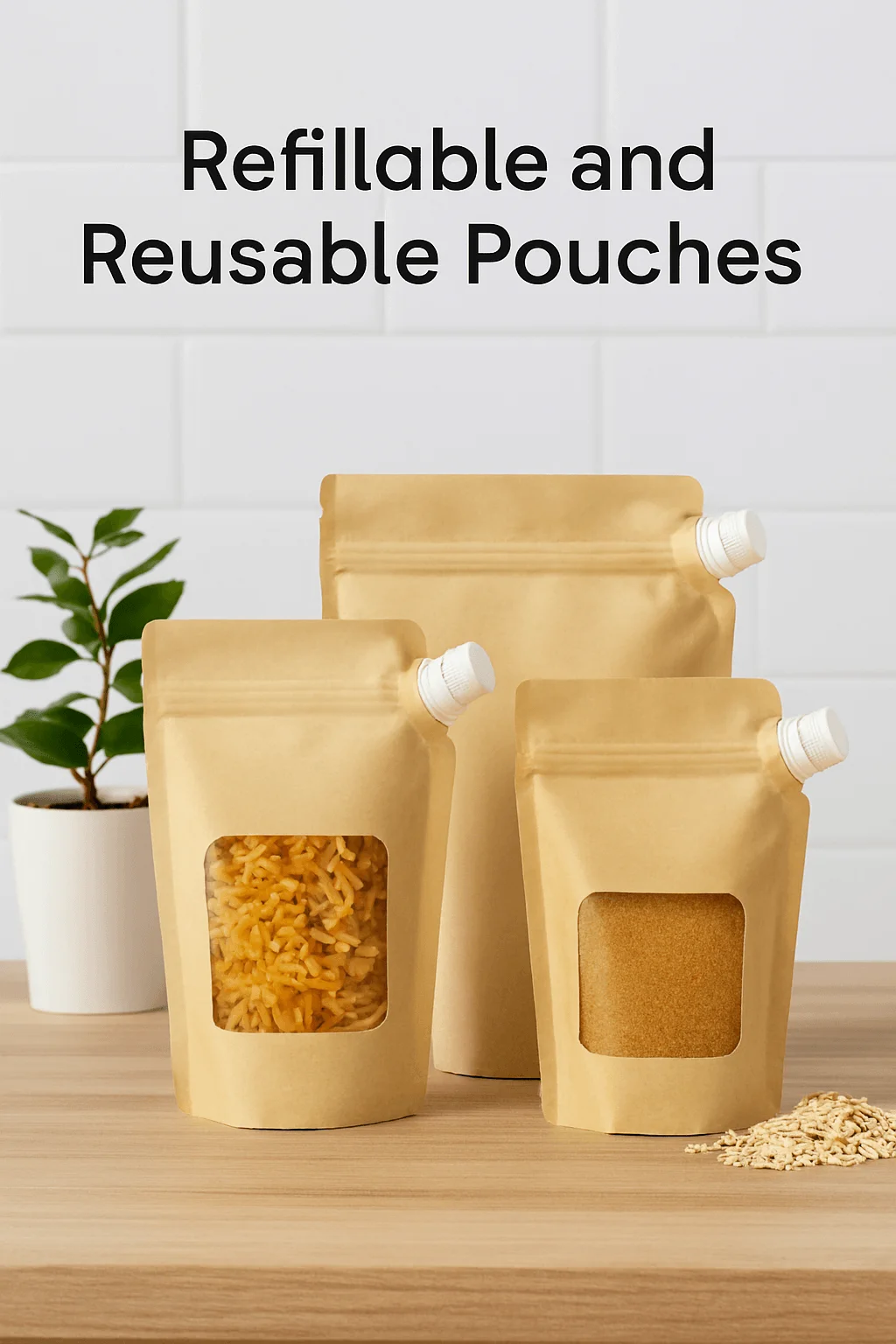
Offer resealable pouches with strong zips or spouts that buyers can reuse for storage or travel, and highlight reuse tips on the pack to make the benefit clear. For families seeking simple storage options, resealable pouches help reduce waste and increase value. Make the pouch easy to clean and strong so consumers may use it again and be satisfied with their decision. Practical bullet points:
- Use a sturdy zipper or spout rated for repeated opening and closing.
- Print short reuse ideas on the pouch to spark practical follow-through.
- Choose a matte or soft-touch finish to add perceived value to the pouch.
- Test pouch seals under shipping and heat conditions for reliability.
- Offer a refill program or bulk refill option to complement the pouch.
- Add a small window to the pouch to show the cereal inside.
- Mark reusability clearly with a recyclable packaging badge if applicable.
- Use thick film that resists puncture and maintains freshness.
- Make the pouch lightweight to save on shipping costs.
- Bundle pouch refills with small discounts to encourage repeat buying.
4. Story-First Panels
To create an emotional link, write a brief origin narrative, a fast recipe, or a farmer note on one side panel. Readers will remember the main point if you keep sentences concise and pleasant so they may scan them. Use photos or small icons for Custom Cereal Boxes wholesale to support the text and help the story land faster. Practical bullet points:
- Write a two-sentence origin story that explains one unique point.
- Add a tiny farmer photo or ingredient icon to make the claim feel real.
- Use bold headers and short lines to aid scanning.
- Include a simple recipe that uses three ingredients and a small prep time.
- Add a QR code to link to a longer story or an ingredient video.
- Place the story panel near the nutrition facts for easy cross-reference.
- Use a large, readable type at 10–12 points for side panels.
- Keep the tone warm and direct to match family breakfast moments.
- Test translations for markets with other languages to keep clarity.
- Reserve a small spot for social handles so fans can find more content.
5. Minimalist Matte Boxes
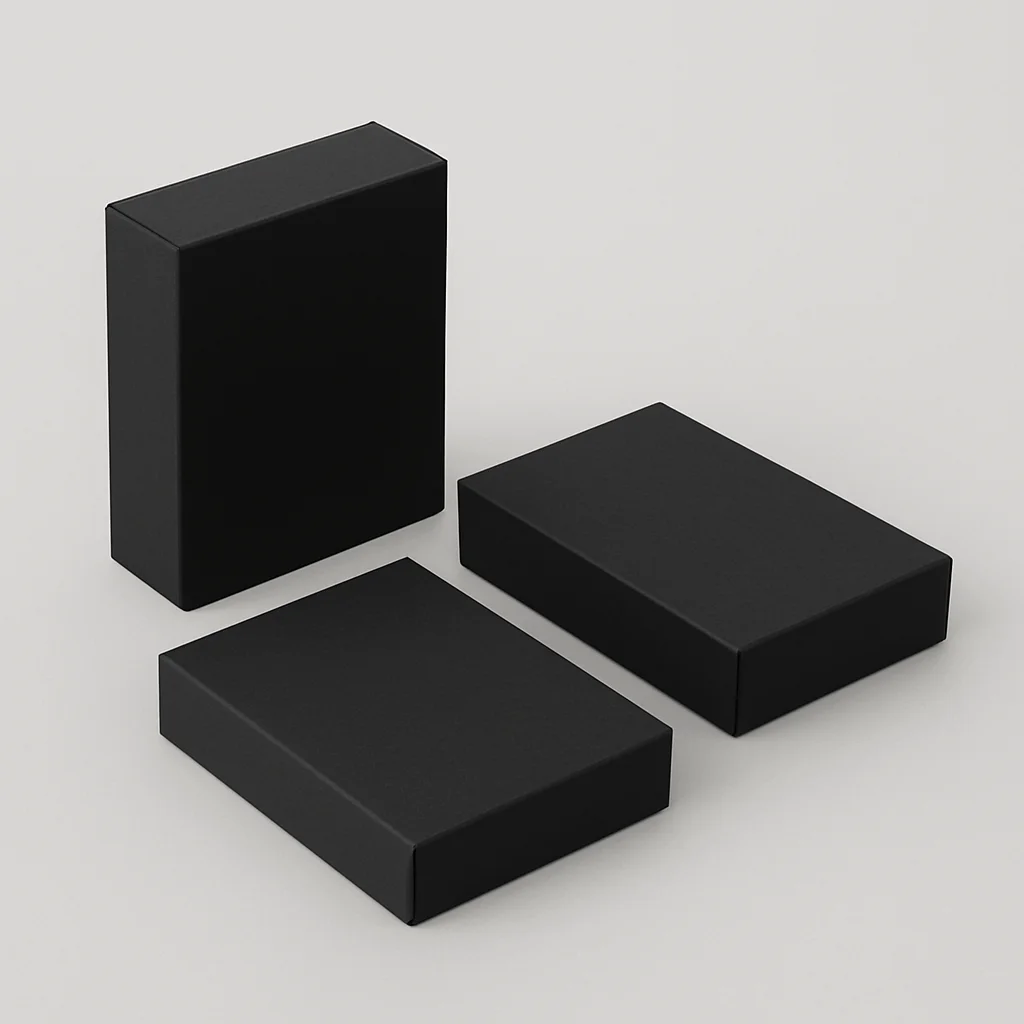
Choose a single strong color, clean type, and a small icon to make the product feel premium and calm on busy shelves. Use a soft-touch or matte surface to add a tactile cue that signals quality when the shopper picks up the box. Keep the front copy minimal and use one bold line to state the product’s top benefit. Practical bullet points:
- Use one primary color plus one accent to maintain a calm look.
- Apply soft-touch coating on the front panel to raise perceived quality.
- Keep typefaces to one or two to avoid clutter.
- Place a single icon that shows the main benefit clearly.
- Use white space around the logo to boost shelf legibility.
- Add a small window if product proof helps trust.
- Use thin spot gloss on the logo only to add subtle contrast.
- Choose a paper stock with a high opacity to avoid show-through.
- Print a short serving suggestion to add utility without crowding.
- Test color chips for consistency across print runs.
6. Interactive Games and AR Codes
Add quick puzzles, stickers, or a QR that opens an AR experience to make custom printed cereal boxes wholesale interactive for kids and social for parents. Keep the activities short and fun so kids play while parents get a moment to read benefits. Make the AR clip shareable to extend reach and encourage repeat buys. Practical bullet points:
- Print a simple maze or matching game on the back panel for quick play.
- Include a sticker sheet inside for collecting or trading.
- Use a short QR flow that leads to a fast-loading AR moment.
- Design AR content to work on common phones and browsers.
- Add a share button in the AR flow to boost social spread.
- Place game instructions in large print for kids and parents to see.
- Limit in-box content to 30–60 seconds of engagement for quick fun.
- Track QR scans to measure engagement and ROI.
- Offer a weekly AR reward code for repeat purchases.
- Test AR content across devices to ensure broad compatibility.
7. Eco labels and Clear Claims
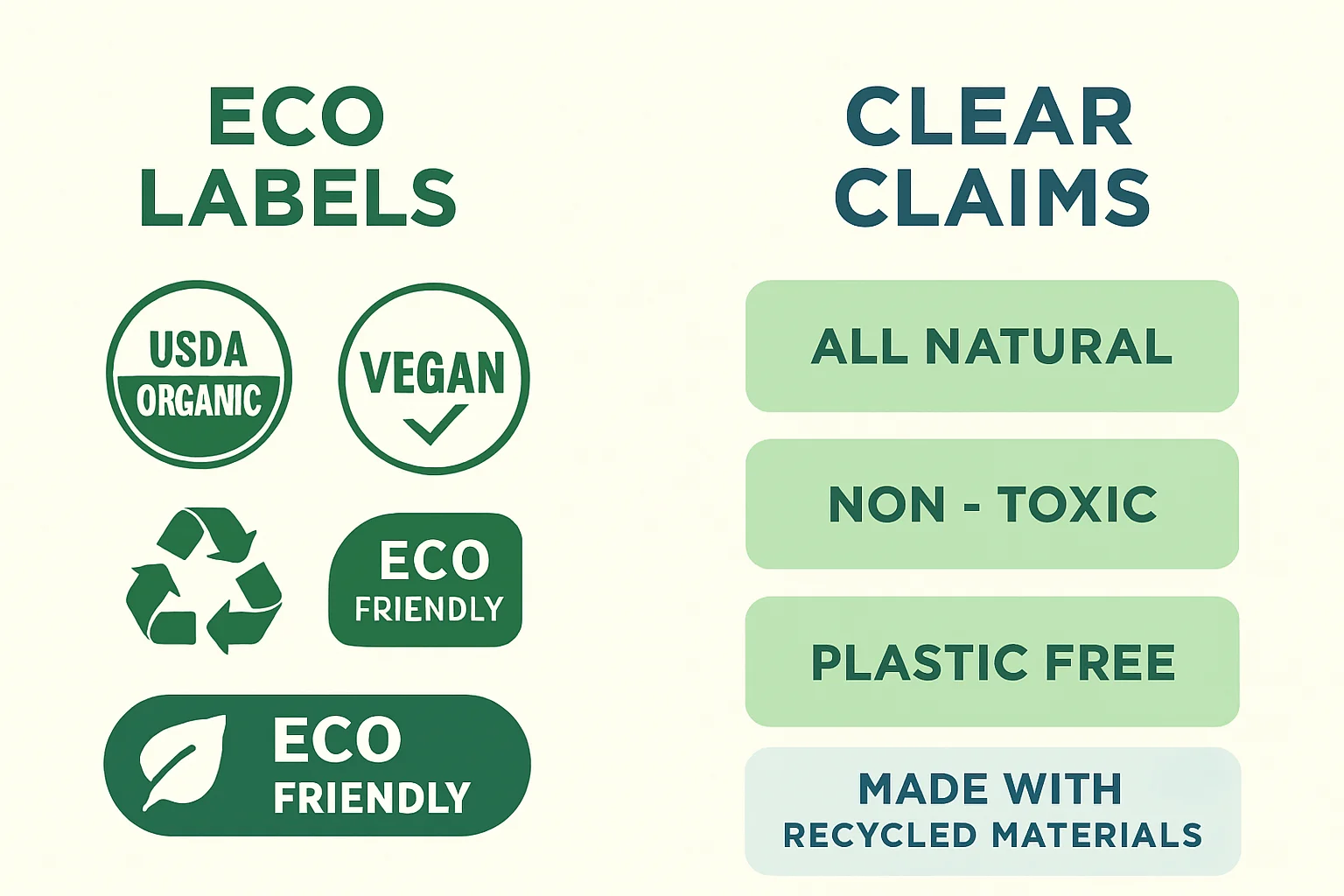
Show a clear badge for recyclable packaging, biodegradable liners, or less plastic close to the product image so that consumers quickly see sustainability claims. Include a brief QR or URL outlining the recycling and material processes, then support claims with supplier certifications. Clear labeling avoids doubt and helps shoppers trust the packaging promise. Practical bullet points:
- Place one clear sustainability badge on the front panel for quick recognition.
- Use a short URL or QR that explains material specs and certifications.
- Print simple recycling steps on the back panel so buyers know how to sort parts.
- Use certified suppliers to avoid greenwashing claims.
- Prefer water-based inks that ease recycling and lower chemical impact.
- Test recyclability in local recycling streams to confirm claims.
- Keep the badge color distinct to separate it from other front art.
- Use minimal metallic inks to prevent recycling interference.
- Offer refill or bulk options as part of the sustainability story.
- Add a lifecycle note on the side panel to show real impact.
8. Single-Serve Creative Packs
Offer color-coded sachets for travel, school lunches, or gift sets so buyers pick flavors fast and parents pack with ease. Use clear pictograms for allergens and portion sizes to help quick choices, and design a neat dispenser box that fits counters and impulse spots. Single-serve packs can drive sampling and expand distribution into non-traditional outlets. Practical bullet points:
- Color-code sachets by flavor and print the color name boldly.
- Use pictograms for allergens and portion size to speed decision-making.
- Make sachets easy to open and reseal when needed.
- Design a countertop dispenser that holds 10–20 sachets neatly.
- Test sachet tear strength and shelf life under travel conditions.
- Add a small promotional sticker on select sachets to drive trials.
- Use biodegradable film if the brand prioritizes sustainability.
- Offer a sample pack that includes three flavors for tasting.
- Print storage tips on the dispenser to aid retailers.
- Track sales by SKU to find top-performing flavors quickly.
9. Premium Inner Bags with Graphics
Print jokes, quick recipes, or small facts on the inner bag to surprise buyers and encourage sharing on social media. Use compostable inner liners where possible to keep the surprise aligned with the outer sustainability claim. Treat the inner bag as a small stage for brand voice and a repeat-buyer reward. Practical bullet points:
- Print a one-line joke or fact every 2–3 inches to keep interest.
- Use compostable liners where possible to match sustainability claims.
- Place micro-recipes or serving tips on the inner bag for added value.
- Use a contrasting color for inner print so content reads clearly.
- Test inner bag inks for taste neutrality and safety.
- Print a tiny social hashtag to encourage sharing.
- Rotate inner bag content seasonally to surprise repeat buyers.
- Ensure inner bag seals match shelf life targets for freshness.
- Use simple icons for quick understanding in all markets.
- Offer inner bag designs as part of limited runs for collector appeal.
10. Limited-Edition Artist Series
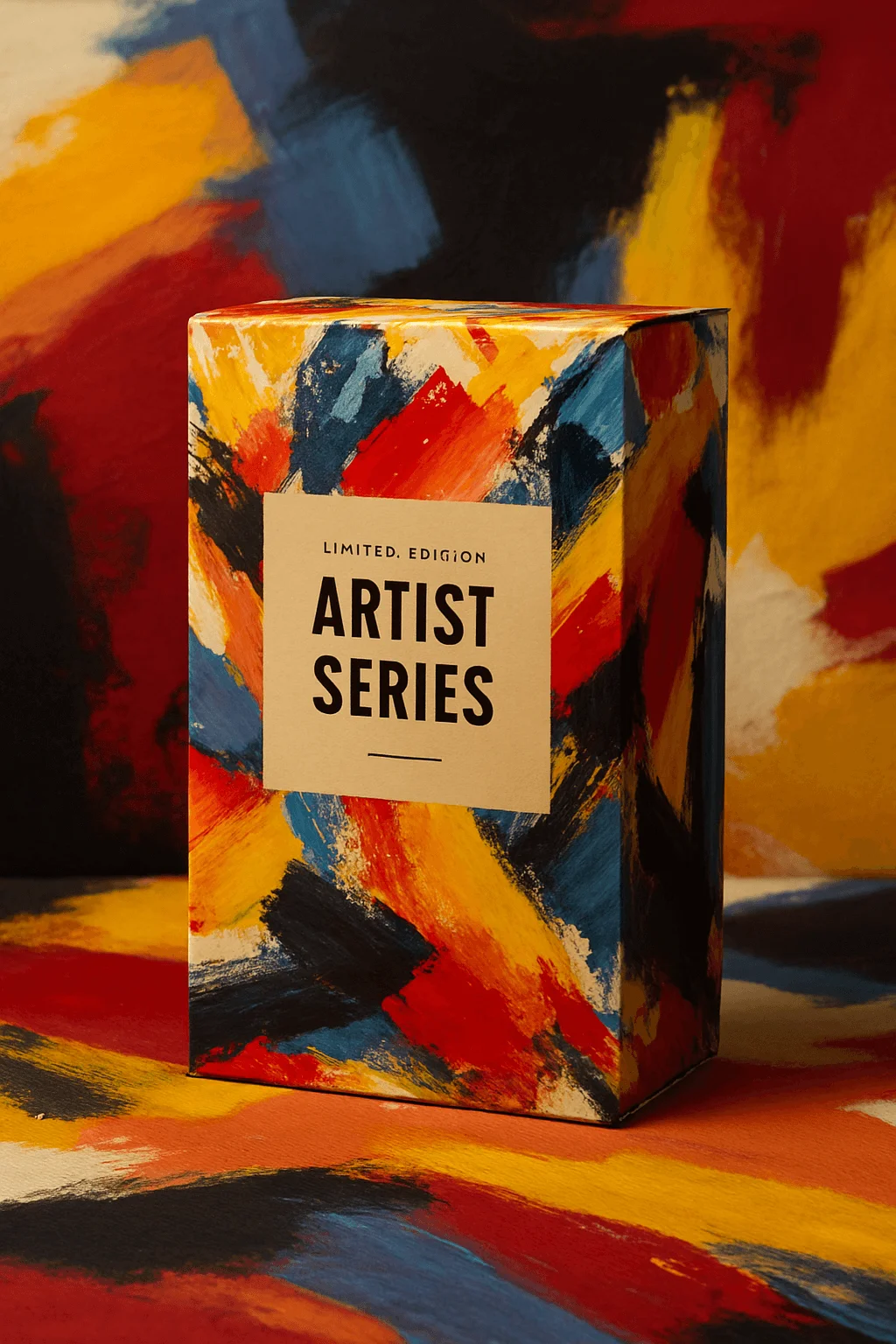
Commission artists for seasonal sleeves or special-print runs to create a collector feel and social buzz. Run small batches to test demand and use a clear release date to build urgency. Add a QR code that tells the artist’s story so buyers connect with the creative process and feel like owners of something special. Practical bullet points:
- Produce small runs to test demand and limit risk.
- Feature the artist’s signature and a short bio on the sleeve.
- Use numbered cereal packaging boxes or limited codes to increase collectible appeal.
- Promote the drop on social channels to build anticipation.
- Offer a short video or artist interview via QR code to deepen the story.
- Time releases around holidays or special events for higher visibility.
- Use a removable sleeve so the core packaging stays usable later.
- Track resale and social mentions to gauge collector interest.
- Include a small card with the artist’s note in each box.
- Consider a charity tie-in to amplify publicity and purpose.

Final Checklist Before Press Runs
Confirm color proofs and finish samples under store lighting to avoid surprises. Verify barrier tests and seals to ensure product freshness across expected shelf life. Check legal claim wording and nutrition panels to meet regulations and prevent reprints. Test thumbnails on mobile and desktop so the design converts in e-commerce. Plan secondary displays and in-store setup to match the box art and guide retail placement.
Start Testing Cereal Packaging That Sells
Use these practical picks to build a clear brief that lists color palettes, finish choices, and material options for each budget. Hand the brief to a designer or supplier to create proofs, run a small test, and measure how the market reacts. Track sales lift and social shares to learn which Cereal Packaging Ideas perform best and scale the top winners.
Start with one focused test and expand the most effective Cereal Packaging Ideas across SKUs to build stronger shelf impact and repeat buyers. If you want best results, hire cereal packaging experts from the Packaging Company.