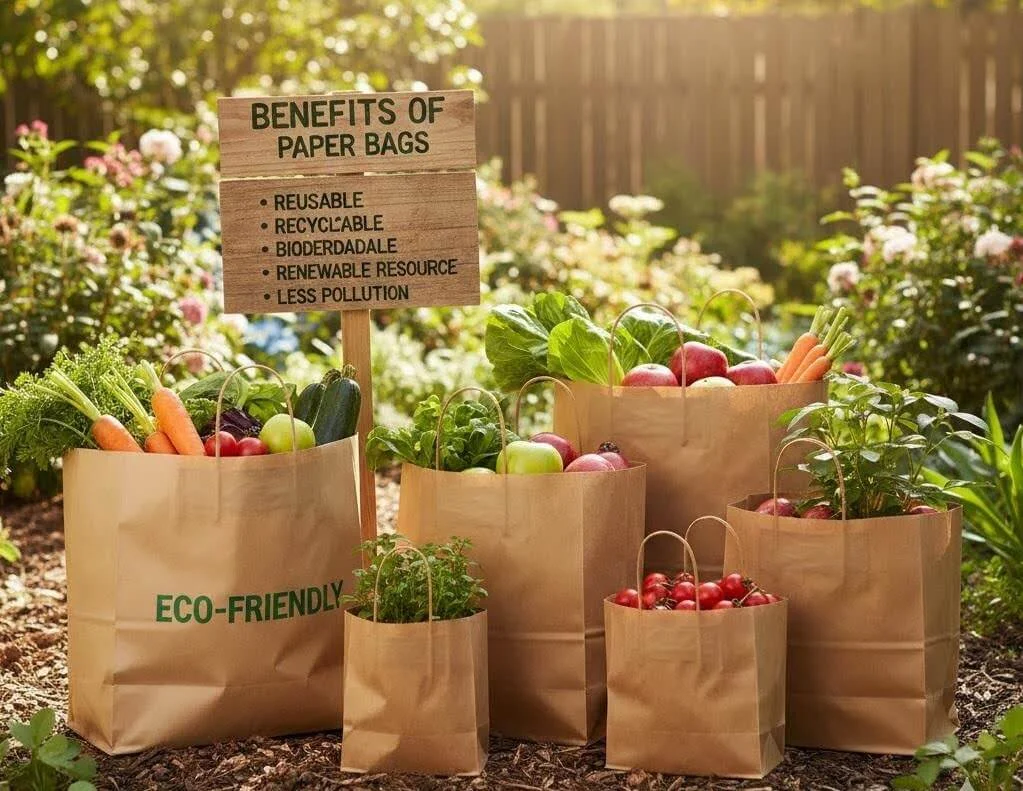
The paper bag sector is expanding rapidly in the United States. Growing at a 6.4% yearly pace, the paper bag industry is estimated to be worth USD 4.2 billion in 2025 and USD 7.8 billion by 2035. With a 45.5% share, retail stores drive demand; flat paper bags account for 42% of the market. Benefits of Paper Bags reach from sourcing to disposal and help grocery stores, cafes, fashion shops, and gift shops meet modern customer values.
Paper bags bring clear value to every type of store. They cut waste, build trust, and improve customer experience. Shoppers feel good when they carry a strong bag. They reuse it many times. They see care in the choice of material. Stores save energy in production and disposal compared to plastic. The natural look of paper also adds warmth to branding.
10 Surprising Benefits of Paper Bags for Every Business
Grocery retail and produce markets
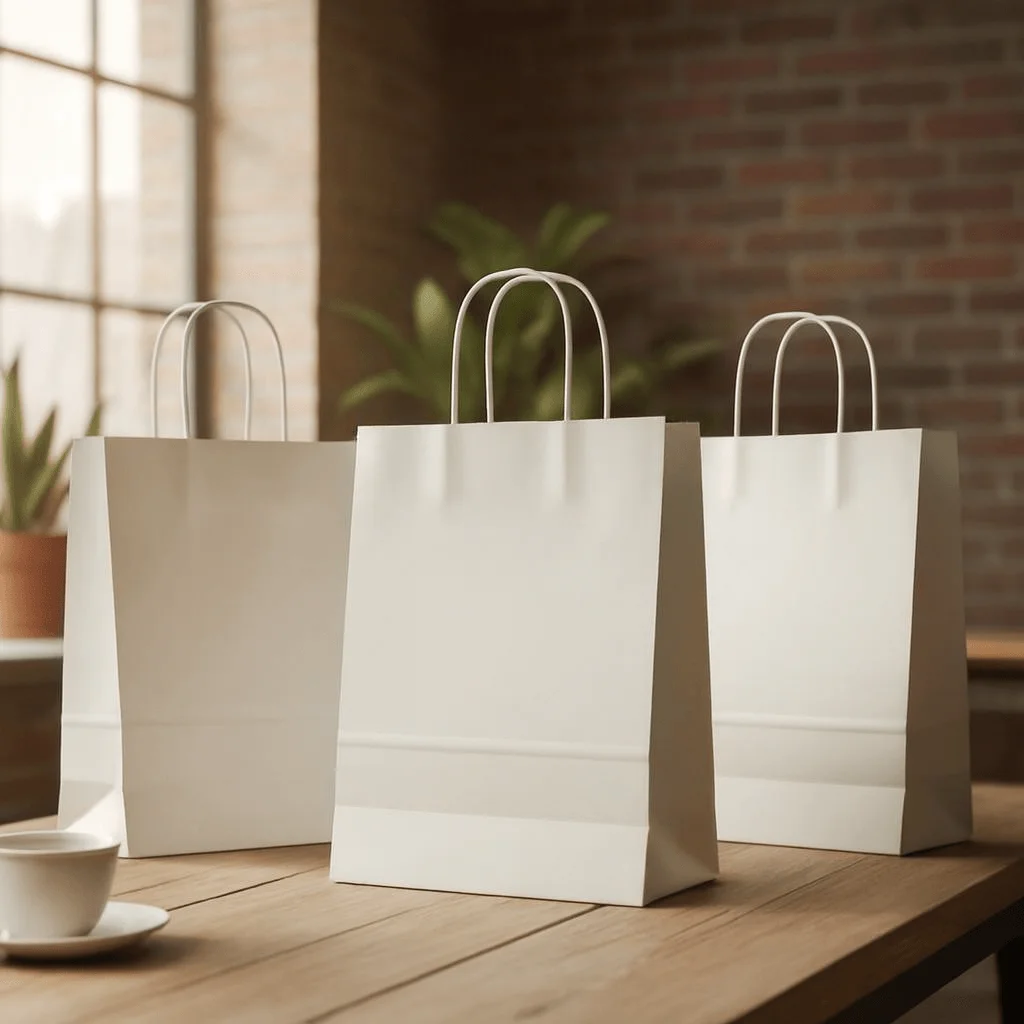
Grocery stores need packaging that is strong and clean. Custom White Paper Bags give strength, breathability, and easy stacking at counters. Produce stays fresher because paper allows air to move. Stores shape brand identity with earthy colors and simple prints. Customers want eco-friendly options, and these bags meet that demand. Shoppers trust grocery brands that care about waste and materials.
- Define needs: Map sizes for bread, produce, and family shops.
- Choose stock: Pick kraft paper with 60–120 gsm for strength.
- Test load: Run lift tests with 5–10 kg to avoid tears.
- Add handles: Choose twisted paper handles for heavy baskets.
- Print clearly: Use soy inks and simple, legible branding.
- Train staff: Teach quick packing for speed at checkout.
Cafes, bakeries, and takeout
Fresh bread and hot drinks need bags that breathe and protect. Paper bags handle heat better than thin plastic. They block grease when lined properly. They fold fast, stack well, and work with stickers for seals. Stores can print menus or QR codes for loyalty programs. Small details show care. They fit the cozy and crafted feel that bakery and cafe fans love.
- Select liners: Use food-safe greaseproof liners for pastries.
- Pick sizes: Stock mini, medium, and family bag sizes.
- Seal smart: Use branded stickers to close and secure.
- Insulate heat: Add sleeves or double-bag hot items.
- Label fresh: Stamp bake time or roast notes on the bag.
- Plan storage: Keep flat stacks near the packing line.
Fashion retail and boutiques
Fashion sells a story, and these bags finish the look. Bags match the brand with textures, foils, or soft-touch varnish. Rope or ribbon handles add a premium feel. Thick kraft keeps structure and protects garments, boxes, and accessories. Customers reuse sturdy bags many times, turning them into street-level branding. They include strong aesthetics and better sustainability signals.
- Choose thickness: Use 120–200 gsm for a luxurious feel.
- Design surfaces: Add emboss, deboss, or soft-touch.
- Handle style: Pick rope, ribbon, or flat paper handles.
- Reinforce tops: Add turn-top edges for strength.
- Brand inside: Print subtle patterns inside the bag.
- Test reuse: Check durability for 20+ reuses.
Pharmacies and wellness stores
Pharmacies need custom paper bag packaging wholesale that is clean, private, and safe. These bags serve with opaque walls and secure folds. Labels, dosage notes, and QR codes fit easily on the surface. Inserts protect sharp edges. Easy-grip handles help seniors. They reduce glare and noise compared to plastic. They align well with trust, care, and compliance in health retail.
- Pick opacity: Use thicker kraft to block contents.
- Add inserts: Protect bottles and sharp blister packs.
- Print safety: Place clear dosage and care icons.
- Use seals: Close bags with tamper-evident stickers.
- Enable grip: Choose handles that fit arthritic hands.
- Train privacy: Fold tops neatly before handover.
Electronics and tech accessories
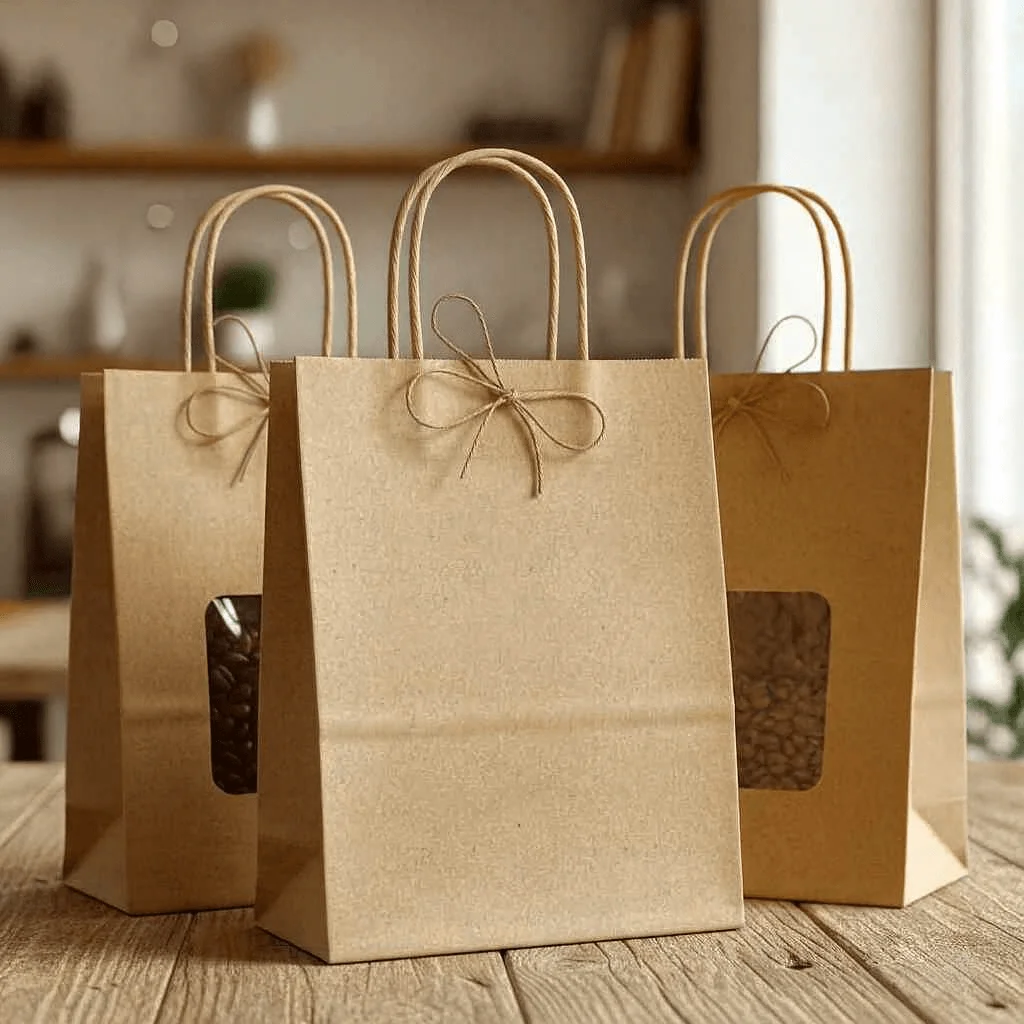
Tech stores balance protection and style. Custom Brown Paper Bags with reinforced bases hold cables, cases, and small devices. They reduce static issues that come with some plastics. Molded pulp trays or card inserts add shock safety. Clean, minimal designs match tech brands. Customers reuse sturdy bags for office carry. They support utility and a modern, responsible image.
- Reinforce base: Add double layers on the bottom panel.
- Use inserts: Fit die-cut card for device snugness.
- Pick matte: Choose matte finishes to match tech vibes.
- Add care cards: Slip in cable management guides.
- Test drops: Check contents after 0.5 m drop tests.
- Label recycle: Show how to recycle bags and inserts.
Gift shops and event merchandise
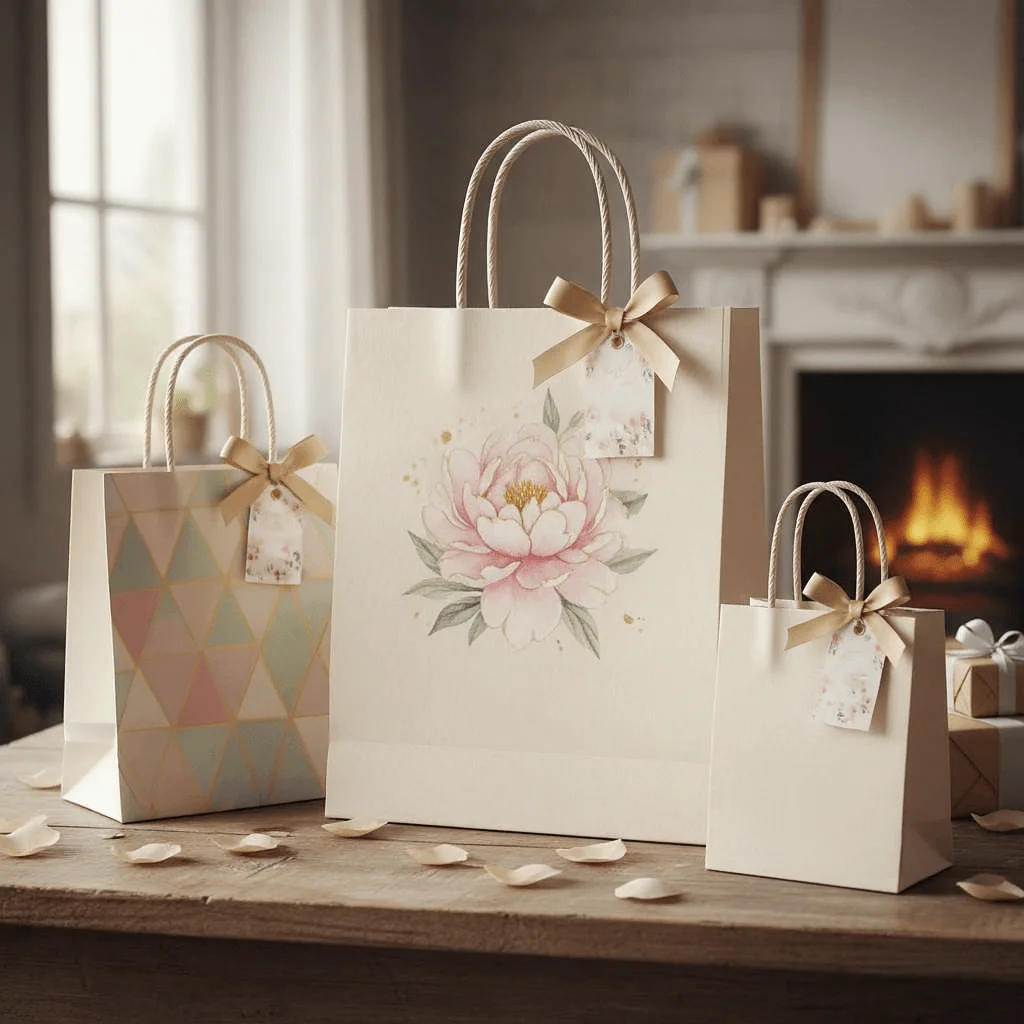
Gifts need charm and reveal. These bags feel warm and presentable. Tissue, seals, and ribbons add delight. Seasonal prints fit weddings, Eid, or school fairs. Sizes scale for candles, books, and hampers. Clean fold lines keep neat looks. Custom Paper Gift Bags bring craft and celebration into the moment and tie the brand to special days.
- Plan sizes: Offer XS to XL for diverse gifts.
- Add tissue: Place two sheets to cushion and hide.
- Use seals: Close tops with branded wax or stickers.
- Print seasons: Rotate designs for events and holidays.
- Train wraps: Teach staff quick tissue techniques.
- Check fit: Test heavy hampers with reinforced cords.
Supermarkets and big-box stores
Large stores move volume. Paper bags must work fast and hold weight. Standard sizes and handle types keep operations smooth. Strength tests set policies for double-bagging heavy items. Reuse bins near exits encourage returns. Bag costs and reuse rates need tracking. Loyalty rewards push customers to bring bags back. Benefits of Paper Bags show up in less plastic waste and more visible brand reuse.
- Standardize: Fix 3–4 sizes for lanes and self-checkout.
- Set limits: Mark max load per bag (e.g., 8–10 kg).
- Train cashiers: Teach load balance for bottles and cans.
- Place bins: Add return/reuse bins near exits.
- Offer rewards: Give points for each reused bag.
- Audit monthly: Track breaks, returns, and reuse numbers.
Food delivery and meal prep brands
Delivery needs heat stability, clean labeling, and tamper seals. These bags handle steam better than many plastics. They keep food scents lower. Compartments split cold and hot items. Large print zones show allergen info. Sturdy handles keep drivers safe. They support brand trust and smoother handoffs at the door.
- Compartment bags: Split hot/cold with inserts.
- Tamper seals: Use breakable stickers on flaps.
- Allergen print: Put bold icons for nuts, dairy, gluten.
- Driver grip: Choose twist handles for heavy loads.
- Heat tests: Check structure after 30–45 minutes.
- Route labels: Add large order codes for fast sorting.
Corporate gifting and B2B events
Corporate gifts need polish and presence. Paper bags deliver both with clean edges and premium finishes. Brand colors and subtle foils add style. Card pockets hold notes. Standard sizes fit notebooks, bottles, and snacks. Strong bases avoid damage. They help impress clients while meeting sustainability goals.
- Pick palette: Match brand Pantones for consistency.
- Foil accents: Use small, tasteful metallic details.
- Add pockets: Insert card sleeves inside the bag.
- Protect base: Use board inserts on the bottom.
- Bundle sizes: Standardize for common gift sets.
- Stamp goals: Print “recyclable” and reuse prompts.
Hotels, spas, and hospitality services
Guests expect care and calm. These bags deliver quiet, clean packaging for amenities, slippers, or robes. Soft designs and tissue add charm. Local stories or maps can be printed on the bag. Paper reduces plastic crinkle noise in rooms. Guests reuse bags for beach or pool items. Benefits of Paper Bags shows the premium yet relaxed feel that guests remember and share.
- Soft print: Use muted tones and calming patterns.
- Amenity fit: Size for slippers, robes, and kits.
- Map art: Print local maps or tips on one panel.
- Tissue wrap: Add one sheet for gentle presentation.
- Pool reuse: Encourage reuse for towels or snacks.
- Room stock: Place flat bags in closets for guests.
Sustainability and brand storytelling
They decompose in months, while plastic bags can take decades. That fast breakdown reduces lasting harm and supports simple waste systems. Sharing this data strengthens the brand story. Customers see care they can measure. Benefits of Paper Bags include biodegradability, reuse, and recyclability. Each point builds trust and action with customers.
- Share data: Print “breaks down in months, not decades.”
- Show steps: Add icons for reuse, recycle, compost.
- Use claims: Keep claims true and verifiable.
- Tell local: Highlight local paper sourcing if possible.
- Invite action: Offer discounts for bag returns.
- Track impact: Publish yearly waste reduction numbers.
Quick comparison: Paper vs. plastic
Most systems let them be recycled and used over. Within months they break down naturally into carbon dioxide and water. Decades might pass before plastic bags decompose and produce persistent trash. Many businesses move to paper to cut down on plastic trash and project a more environmentally friendly image. Customers respond to easy, visible actions.
- Time to decompose: Months for paper; decades for plastic.
- End-of-life: Recycle and compost routes for paper.
- Customer view: Strong eco signal with these bags.
- Store ops: Easy stacking and quick packing with paper.
- Branding: Better print and texture options on paper.
- Waste cut: Lower plastic film in store trash streams.

Lead the Way in Sustainable Paper Bag Packaging
Your customers ask for cleaner choices. Give them the change they can see and touch. Pick strong kraft, simple prints, and clear reuse prompts. Train staff. Track numbers. Share progress. When you move now, you win trust, cut waste, and lift brand value. Benefits of Paper Bags are huge because these bags help every step—from design to delivery to disposal. Ready to switch and stand out? Design your desired bag system today by contacting Packaging Company.
FAQs
What are the main Benefits of Paper Bags for brands?
- Eco signal: Clear, visible sustainability.
- Customer reuse: Extra impressions on the street.
- Better printing: Rich textures and finishes.
- Lower noise: Quieter, calmer in-store feel.
- Faster disposal: Simple recycle and compost routes.
- Trust boost: Values align with customer expectations
How many times can I reuse a bag?
You can reuse sturdy bags many times. Many boutique-grade bags survive 20 or more uses when you avoid wet loads and sharp edges. Reuse depends on gsm thickness, handle type, and bottom reinforcement. Strong bags with rope or twisted handles perform best for repeated use.
Are they strong enough for groceries?
Yes. Strong kraft paper with 60–120 gsm and twisted handles carries typical grocery loads of 8–10 kg when you pack evenly. You should test for bottles and heavy items. Double-bag only for very dense loads like large canned goods.
What gsm should I choose for retail?
- Light items: 60–90 gsm for small goods.
- Standard retail: 100–120 gsm for clothes.
- Premium: 120–200 gsm for luxury boxes.
- Heavy loads: Reinforce bases regardless of gsm.
- Handles: Twisted or rope for better strength.
- Tests: Run 5–10 kg lift tests before rollout.
Are paper bags safe for hot food?
Yes, with the right build. Paper handles steam better than many plastics and reduces condensation. Use liners to block grease. Seal with stickers to prevent spills. Many delivery brands prefer paper for heat tolerance and labeling clarity.