Washington supports a strong packaging sector, and buyers in the state depend on that strength when they look for Custom Boxes in Washington or even Custom Packaging. The state hosts about 40 major packaging and container companies and around 33 cardboard and container makers. These companies supply thousands of online sellers, food makers, boutique stores, and craft producers across Washington.
The box and container segment holds a value around USD 1.9 billion. It shows how much demand grows each year for strong Custom Shipping Boxes, printed mailers, eco-ready cartons, and display packaging. The state also manages about 2.3 million tons of packaging and printed paper waste each year.
Nowadays, more brands and shops look for eco-friendly shipping box options WA, small batch custom printed box suppliers Washington, printed corrugated box makers near Seattle, and sustainable custom packaging solutions Washington state.
Top 10 Tips to Buy Custom Boxes in Washington
The tips below help buyers understand materials, printing, sizing, order levels, and local rules.
1. Check Local Packaging Industry Capacity
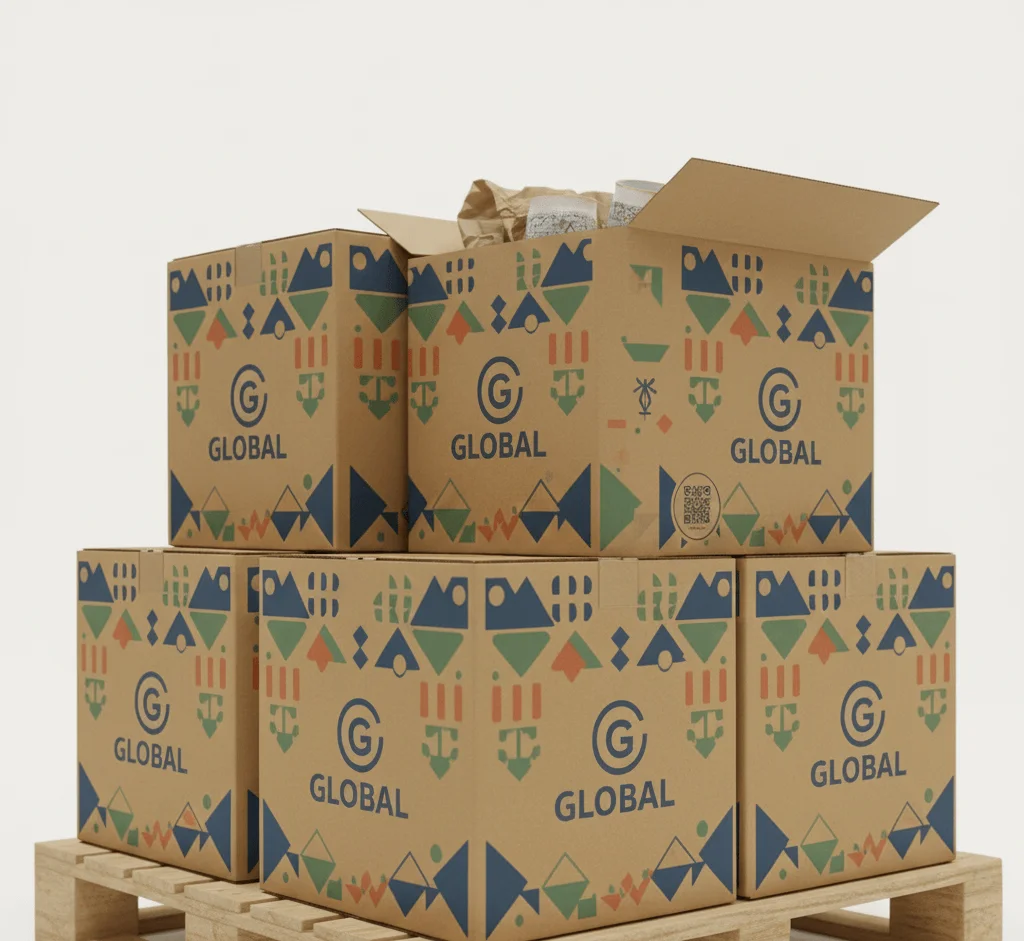
Washington offers a strong group of producers, and buyers gain many advantages when they study local capacity before placing orders for Custom Boxes wholesale. Local suppliers handle orders faster because short travel distances cut delays. Many small teams also accept flexible runs, which helps new sellers who only need a few hundred boxes at a time. Buyers also enjoy easy communication because time zones match, and meetings happen in person when needed.
Local capacity also shapes the type of boxes you can order. Some shops focus on corrugated shipping boxes, some on rigid gift boxes, and others on lightweight mailers. Buyers gain strong results when they match supplier skill with product needs. The table below gives a simple look at common capacity strengths near Washington towns.
Washington Supplier Capacity Table
|
Region in WA |
Common Strengths |
Order Size Range |
|---|---|---|
|
Puget Sound |
Corrugated, printed mailers, inserts |
100–50,000 units |
|
Spokane Area |
Heavy-duty shipping boxes, bulk runs |
500–100,000 units |
|
Tri-Cities |
Food-safe boxes, custom cartons |
250–40,000 units |
|
Vancouver WA |
Eco-focused packaging, short runs |
50–10,000 units |
2. Demand Quality Corrugated or Rigid Materials
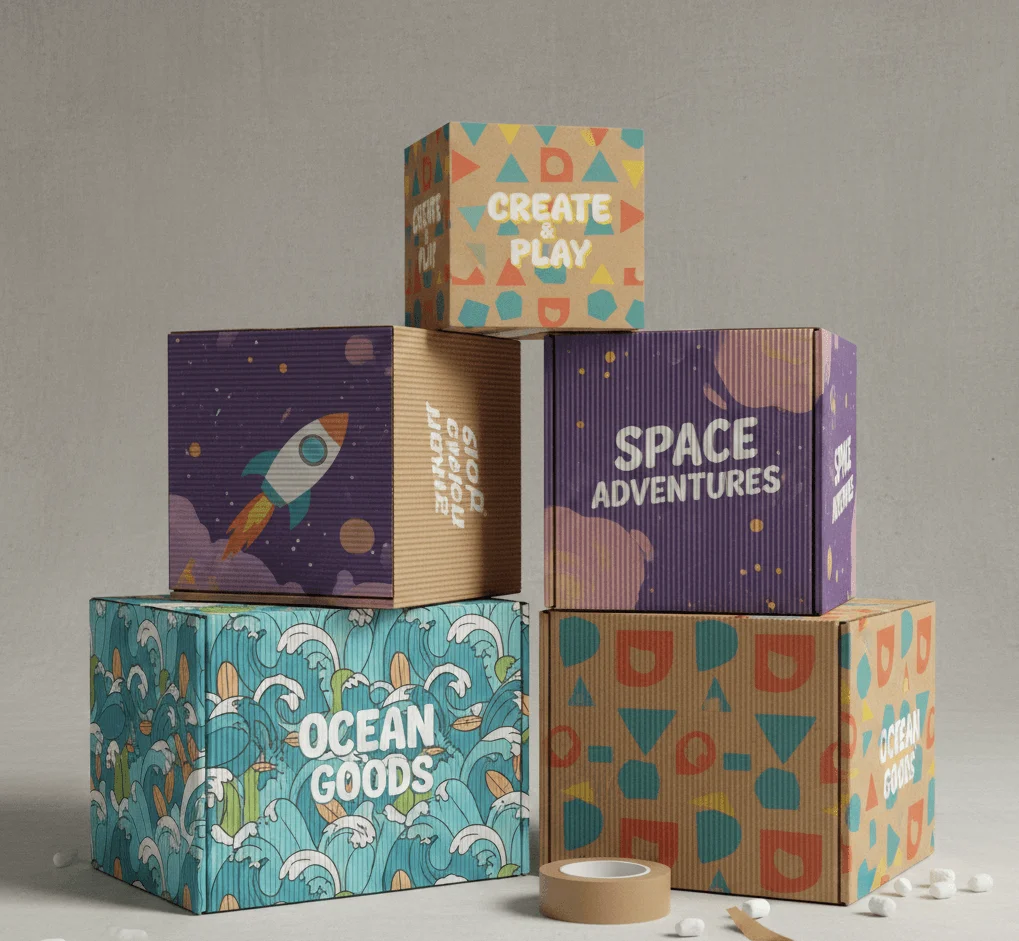
Strong materials protect products and improve customer experience. Buyers in Washington choose custom corrugated boxes often because the layered flutes handle pressure, drops, stacking, and weather changes. Rigid board helps with luxury packaging, gift sets, or subscription boxes that need neat edges and strong walls. Buyers must ask suppliers to provide details about board grade, burst strength, and edge crush strength so the box matches the product’s weight and size.
Corrugated options in Washington often include recycled content because the state collects large amounts of cardboard. The table below summarizes common materials for Custom Printed Boxes in Washington.
Material Comparison Table
|
Material Type |
Best Use |
Strength Level |
Sustainability |
|---|---|---|---|
|
Single-Wall Corrugated |
Light items, mailers |
Medium |
High when made with recycled paper |
|
Double-Wall Corrugated |
Heavy items, shipping |
High |
Medium to high |
|
Rigid Board |
Luxury items, displays |
Very high |
Medium |
|
Kraft Paperboard |
Small retail packs |
Low to medium |
Very high |
Quality materials reduce returns, protect fragile goods, and support long-term customer trust.
3. Confirm Custom Dimensions and Fit Accuracy
Buyers gain strong results when they supply exact dimensions for every product. Correct sizing cuts wasted space, saves money on shipping, and reduces damage. Suppliers in Washington often produce prototypes fast, and many offer digital mockups for quick review. Buyers should check inside space, outside space, and pallet fit when they plan large shipments.
Strong fit also helps with online orders. Sellers in Washington who ship small goods cut postage by using better-fitting mailers. Those who ship heavy goods avoid crushed corners when Custom Boxes in Washington fit snugly. Tape, inserts, bubble, and foam all need space, so buyers must measure those too. Some buyers also test two or three sizes before selecting the best one.
Dimension Planning Tips
- Pick the smallest size that fits the product safely.
- Leave space for inserts and padding.
- Check pallet height and freight limits before large runs.
- Test two prototypes when choosing between sizes.
- Track shipping cost changes after size adjustments.
Correct sizing improves profit and strengthens the user experience.
4. Evaluate Minimum Order Quantities (MOQs) and Bulk Discounts
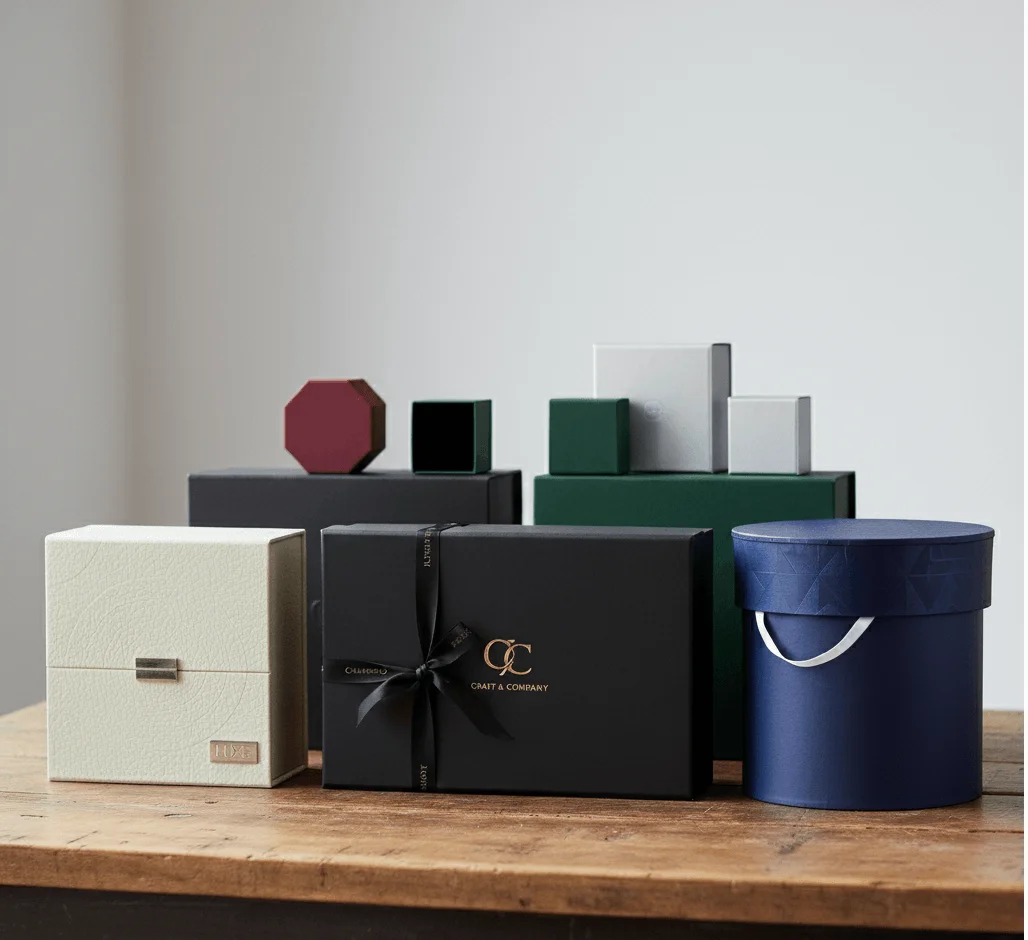
MOQs shape cost, storage needs, and order timing. Many Washington suppliers set MOQs that match their machine type or printing method. Some digital printers offer short runs of 25 to 100 Custom Boxes in Washington. Large corrugators prefer runs of 500 or more because setup needs time. Buyers gain savings when they study price breaks at different levels.
Bulk discounts often make the biggest difference for large sellers. Buyers who order 2,000 boxes often pay far less per unit than those who order 200. Bulk orders, though, need storage space, and storage adds cost. Small sellers who lack space often join shared orders with partners to reach MOQs without spending too much at once.
Common MOQ Ranges in Washington Table
|
Box Type |
Typical MOQ |
Cost Savings at Higher Run |
|---|---|---|
|
Digital Printed Mailer |
25–200 |
Medium savings |
|
Corrugated Box |
300–2,000 |
High savings |
|
Rigid Gift Box |
100–500 |
Medium savings |
|
Folding Carton |
250–5,000 |
Very high savings |
Buyers who study MOQ options save money and pick the best long-term plan for growth.
5. Check Lead Times and Production Schedules
Lead times change based on season, material supply, and printing needs. Washington sellers often launch seasonal goods in summer and fall, so production lines get busy at those times. Buyers gain strong results when they book production slots early. Many suppliers also ask for design files and sample approval before they start main production.
Lead time often ranges from 3 days to 4 weeks depending on order size. Small digital runs finish in one week or less. Packaging Company run with custom plates need more time. Rigid box production takes the longest because teams cut board, wrap paper, add magnets, and pack units by hand.
Lead Time Planning Tips
- Request sample early.
- Approve artwork fast.
- Place orders before seasonal rush.
- Keep extra boxes for emergency use.
- Track supplier updates often.
Strong planning helps sellers avoid stockouts and order delays.
6. Consider Eco-Friendly and Recycled Packaging Options
Local consumers are usually inclined towards environmentally friendly products when they place their orders for Custom Boxes in Washington. A large number of manufacturers in the region are mixing recycled fiber with their paper, printing with water, based inks, and providing compostable kraft packaging. In addition, the buyers are selecting the lighter ones to lower the shipping weight and thus, the emissions.
Packaging standards in Washington are leading different sectors to use mostly recycled content by the 2030s. Buyers will be in a better position if they switch to recycled paper immediately rather than postponing it. A great number of customers are concerned about the environment and thus they support brands that demonstrate good recycling practices. Some sellers may use soy based ink for printing on kraft mailers which not only gives a nice look but also is friendly to the environment.
Eco Options Table
|
Feature |
Benefit |
Best For |
|---|---|---|
|
Recycled Paper |
Lower waste |
Shipping boxes |
|
Water-Based Ink |
Safer printing |
Custom mailers |
|
Kraft Finish |
Natural look |
Retail goods |
|
Compost-Ready Board |
Fast breakdown |
Food packaging |
Eco choices improve brand image and support long-term sales growth.
7. Inspect Printing Quality and Branding Options
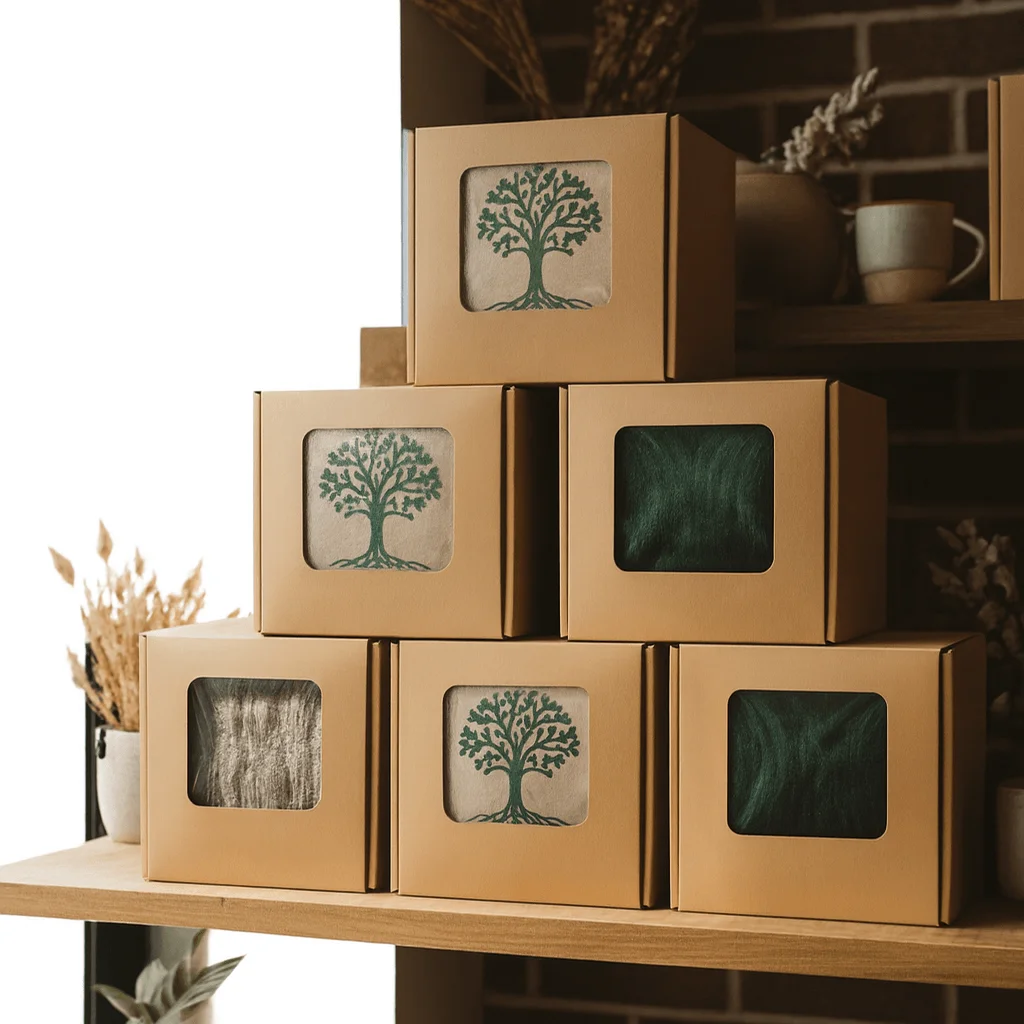
Good printing helps buyers share strong stories with each shipment. Sellers often add logos, icons, slogans, safety notes, or pattern prints. Digital print gives bright colors for short runs. Packaging Company print works best for large orders and simple colors. Custom rigid boxes often use wrap prints for premium looks.
Buyers must check print samples before placing full orders. Sample inspection helps spot color shifts, alignment issues, or low-resolution areas. Many Washington suppliers send samples fast because local shipping moves quickly.
Branding Tips
- Use high-contrast colors for custom kraft boxes.
- Test print lines and small icons.
- Ask for color charts before final order.
- Add small messages inside the lid for delight.
Strong print boosts unboxing experience and helps brands stand out.
8. Ensure Compliance with Washington Packaging Waste Regulations
Washington now uses extended producer responsibility rules. These rules assign responsibility for packaging waste to sellers and producers. Buyers gain strong results when they choose boxes that meet recyclability goals early. Many suppliers in the state show recycled content numbers on their quotes to help buyers stay compliant.
Sellers who ship plastic packaging need extra attention because many enforcement groups track plastic waste more closely. Fines in past years reached high totals, and those events pushed many sellers toward recycled paper and corrugated boxes. Buyers who use Custom Packaging in Washington with strong recycling features protect their business and support state goals.
Regulation Planning Table
|
Rule Type |
Target Year |
Buyer Impact |
|---|---|---|
|
Recycled Content Rise |
Through 2036 |
Higher recycled % needed |
|
Producer Responsibility |
Ongoing |
Track packaging sources |
|
Plastics Control |
Ongoing |
Use paper when possible |
Compliance helps sellers avoid issues and build trust with buyers.
9. Calculate Total Cost Including Shipping and Returns
Total packaging cost includes more than the price of the box. Buyers also pay for freight, storage, tape, inserts, and labor. Many sellers use cost-per-packed-unit as their main target number. This method helps small shops manage profit in simple steps.
Local orders in Washington often reduce freight because short travel lowers cost. Bulk orders reduce per-unit cost but raise storage needs. Sellers must pick a balance that fits their space, cash flow, and growth plan. Some shops also track damage rates and see big gains when they upgrade box strength.
Cost Elements Table
|
Cost Factor |
Description |
|---|---|
|
Box Price |
Base unit cost |
|
Freight |
Cost to ship boxes to buyer |
|
Storage |
Space for bulk Custom Boxes in Washington |
|
Returns |
Cost from damaged shipments |
|
Inserts |
Foam, paper, pads, or fillers |
Smart cost tracking helps sellers gain steady profit.
10. Confirm Vendor Reliability and Customer Support
Vendor strength often shapes long-term success more than box cost. Good suppliers answer questions fast, fix issues fast, and support new designs without long delays. Buyers in Washington benefit from strong communication because storms, roadblocks, or supply shifts happen often. Reliable suppliers provide samples fast and help customers improve box strength, design, and fit.
Buyers also gain strong results when they study vendor history, project photos, and customer feedback. Many reliable teams share board grades, print options, and production steps openly. Buyers should pick vendors who enjoy long relationships with their customers and who support quick fixes when mistakes happen.
Vendor Traits Checklist
- Fast replies
- Strong sample quality
- Flexible order sizes
- Helpful design feedback
- Reliable delivery habits
Strong vendor support saves time and protects long-term brand growth.

Get Your Perfect Custom Packaging in Washington Today!
Don’t let your products settle for ordinary packaging. Upgrade to Custom Packaging in Washington that protects your items, impress customers, and support eco-friendly goals. In any case, if you are dispatching delicate products, selling retail products, or starting a subscription service, the appropriate box is what matters most.
Get in touch with trustworthy neighborhood vendors such as the Packaging Company, select the ideal size and style, and have the delivery done at a quicker pace without your money being wasted. Order custom boxes in Washington now and give your products the packaging they deserve!
FAQs
Why choose corrugated over single-wall paperboard?
Corrugated works well because it gives strong protection for shipping. The flutes handle stacking, drops, vibration, and heavy pressure. Many corrugated boxes use high recycled content, which supports eco goals. Corrugated also cuts shipping damage.
What makes a reliable custom box supplier in Washington?
Reliable suppliers communicate fast, send samples fast, and support design changes. They also explain board grades, print types, and recycled content. They manage delivery well and fix errors quickly. Reliable partners help sellers grow because strong packaging supports repeat sales and customer trust.
How important are accurate box dimensions, and how do I ensure good fit?
- Incorrect box sizes can cause waste of materials, raise shipping costs, and even lead to product damages.
- It is a must that you measure your product (length × width × height) and if there is any padding or inserts, make sure that you add them while specifying the box dimensions.
- Confirm with the supplier by requesting custom dielines — a template that shows the flat layout — or a physical sample/prototype before bulk ordering.
What mistakes should I avoid when ordering custom boxes?
- If the size is too big, the material and shipping cost will be wasted; if the size is too small, there is a risk of products getting damaged.
- Not considering the exact material and durability features: if the products are fragile or heavy, standard thin cardboard may not be enough; you might have to use stronger corrugated or rigid boxes.
- Not testing or prototyping going directly from digital mockups which can result in being surprised by color, print quality, or box strength.
- Prioritizing only price: cheap boxes might compromise on quality, print, structure — hurting customer experience or damaging products.