
The beauty business in the United States is still expanding annually. According to reports, the cosmetic packaging business was worth around $1.85 billion in 2022. It will raise to $2.74 billion by 2030. Companies that develop custom cosmetic box packaging are responsible for the first impression customers have.
A box helps sales, relays the brand story, and safeguards the goods. It also makes unpacking fun and reduces shipping expenses.
Custom Cosmetic Box Packaging: 12 Ways To Reduce Costs Without Sacrificing Quality
This guide explains 12 ways to design custom cosmetic box packaging that works in stores and online.
Know your shopper and retail channel
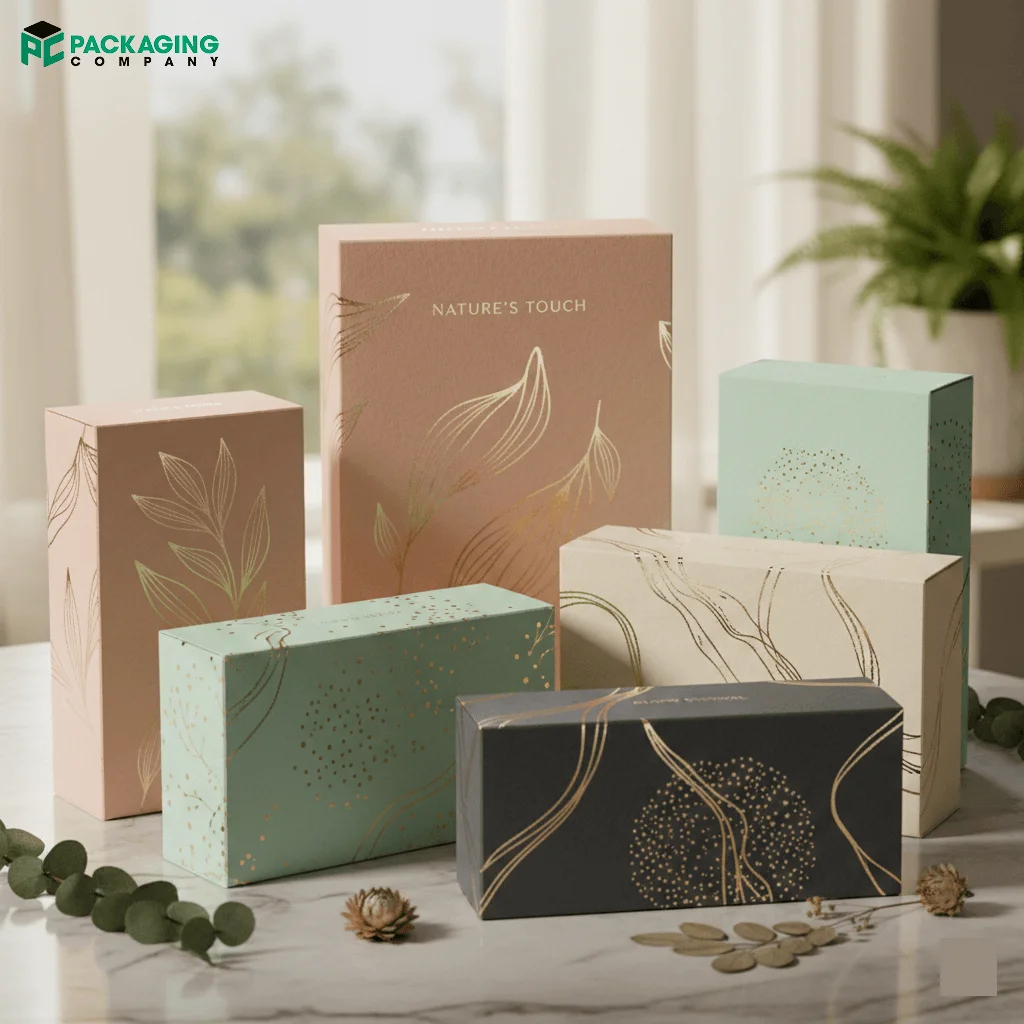
Every design starts with the shopper. Store customers examine shelves under brilliant lighting. Buyers online worry about the way the box looks after they get it at home. Both teams seek fit-looking packaging.
- Gen Z shoppers like bold colors and simple layouts.
- Millennials prefer eco-friendly cues and clear claims.
- Retail shelves in the U.S. often fit boxes between 3 and 4 inches wide.
- Online buyers want boxes for cosmetic packaging under 1 pound for cheaper shipping.
Brands that study their channel see better results. A packaging refresh can lift click-through rates by 10–20%. Boxes that fit shelves and shipping cartons save money and improve sales.
Use materials that match your brand promise
Materials tell a story. Paperboard feels eco-friendly. Rigid boxes feel premium. Plastics give durability and clarity for inserts. Each choice changes how buyers see the product.
- Paperboard: It is light, easy to print, and recyclable.
- Rigid boxes: They cost more but raise perceived value by 15–30%.
- Plastics: They include PET or PP to protect fragile items.
- Eco options: They include FSC-certified paper and soy inks.
A skincare brand may use soft paperboard to show care. A luxury makeup brand may use rigid boxes to show exclusivity. Every cosmetic packaging box should match the product promise.
Design for sustainability without losing shelf appeal
Eco-friendly packaging builds trust. Buyers want boxes that look good and reduce waste. Brands can use recycled boards, cut plastic windows, and right-size boxes.
- Right-sizing lowers dimensional weight by 10–25%.
- Clear eco icons near barcodes show responsibility.
- Reinforced folds reduce damage and keep returns under 2%.
Eco design does not mean boring design. Rich inks, textures, and clean lines make cosmetics packaging boxes attractive while staying green.
Craft clean-label messaging that earns trust
Shoppers want clear claims. They read boxes quickly and decide fast. Clean-label messaging uses short words, readable fonts, and simple icons.
- Limit the front panel to 3 benefits like “Hydrates 24h,” “Vegan,” “Dermatologist tested.”
- Keep font sizes above 12 pt for claims and 18–24 pt for headers.
- Add QR codes for ingredient lists and sourcing.
Clean labeling makes cosmetic boxes packaging easy to read. Buyers trust brands that show transparency and avoid clutter.
Make digital print work for personalization
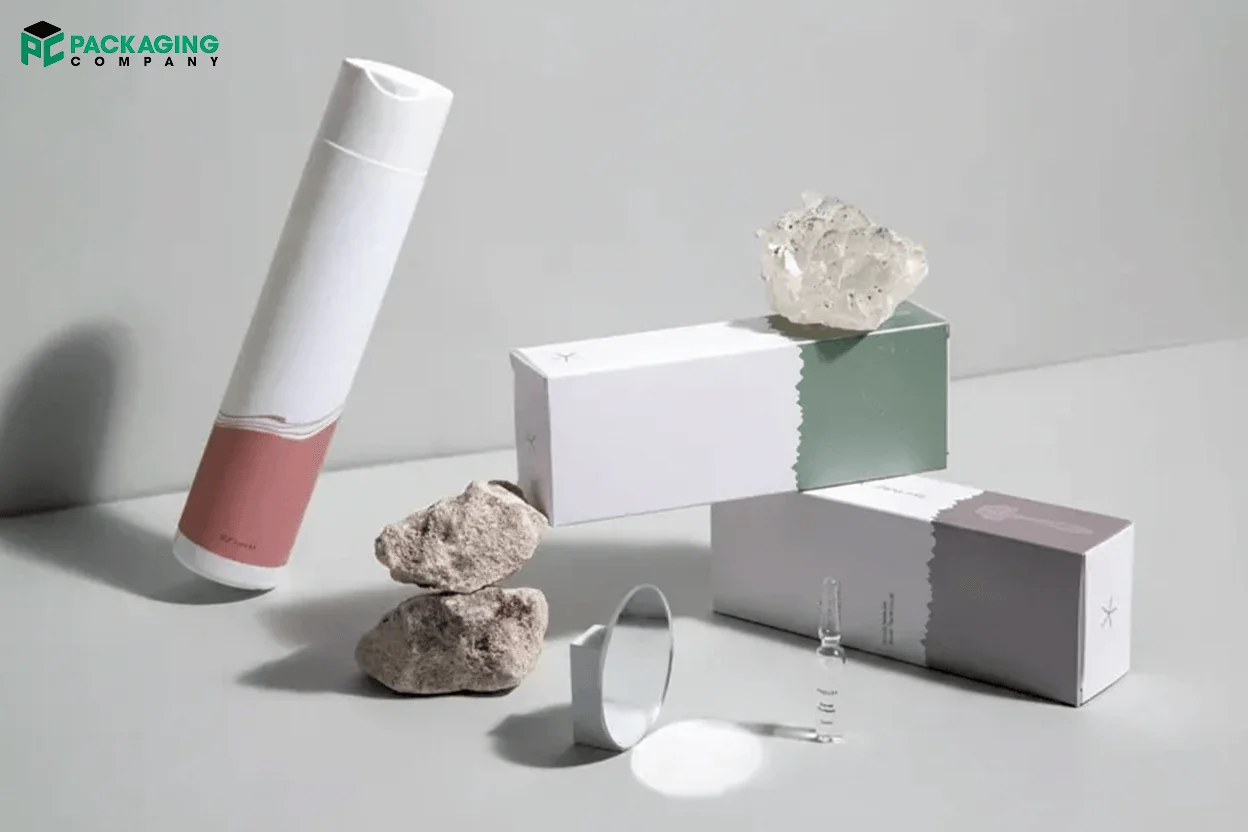
Digital printing helps brands create short runs and personalized designs. This works for seasonal launches, influencer collaborations, and local editions.
- Short runs of 500–1,000 units reduce risk.
- Quick turnarounds support holiday drops.
- Personalization lifts engagement by 10–15%.
Digital print allows custom cosmetic packaging boxes to show names, shades, or city editions. This builds excitement and loyalty.
Elevate with finishes: foil, emboss, and soft-touch
Finishes add luxury. A small foil area or emboss can change how buyers feel about the product. Tactile cues invite handling and increase shelf dwell time.
- Gold foil, blind emboss, spot UV, and soft-touch lamination are popular.
- A single foil area raises perceived value by 20%.
- Soft-touch coatings make skincare boxes feel premium.
Luxury cosmetic packaging boxes use finishes to stand out. The right finish makes the box memorable and worth keeping.
Optimize structure for protection and unboxing
Structure matters. Boxes must protect fragile items and create a smooth unboxing. Inserts hold products in place and reduce damage.
- Custom inserts cut breakage by 15–30%.
- Magnetic closures add a premium feel with 2–4 magnets.
- Drop tests from 3–5 feet confirm durability.
An excellent cosmetic packaging box thrills when opened and guards during transport. Buyers disseminate the reveal on the Internet and recall it.
Right-size for cost, display, and logistics
Oversized boxes waste money and space. Right-sizing of your Custom Cosmetic Display Boxes improves shelf fit, lowers shipping costs, and helps storage.
- Shelf facings in U.S. stores range 2.5–4 inches.
- Reducing empty space by 15–25% lowers freight costs.
- Stackable forms improve warehouse use by 10–20%.
Right-sized cosmetics packaging boxes fit shelves and cartons. They save money and look better in stores.
Build a visual system across SKUs
A visual system makes products easy to shop. Buyers recognize colors, fonts, and layouts across categories.
- Color coding assigns shades to product types.
- Typography uses one family with a clear hierarchy.
- Logos stay consistent across custom cosmetic boxes wholesale.
Consistency builds brand recall. Buyers find products faster when custom cosmetic packaging boxes follow a system.
Add mobile engagement with QR and NFC
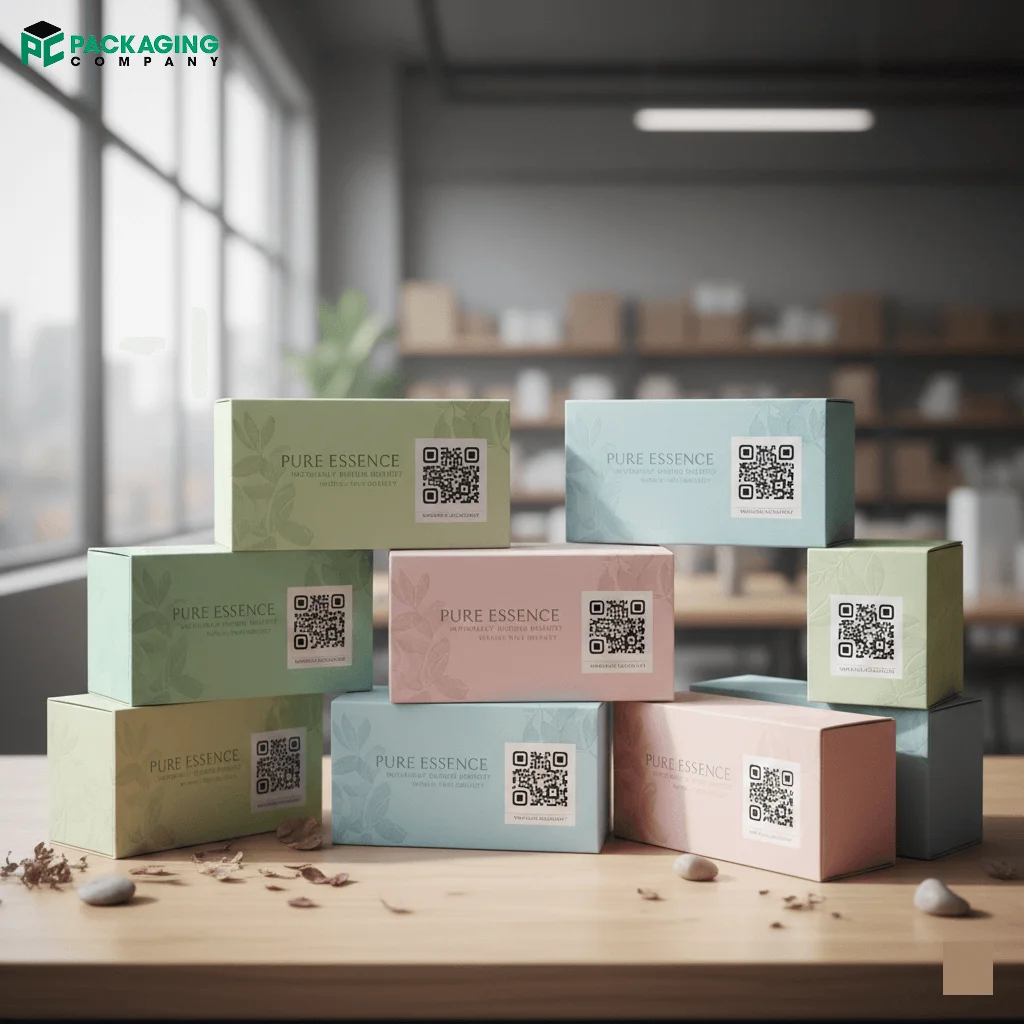
Mobile engagement extends the box. QR codes and NFC tags link buyers to tutorials, shade finders, and recycling guides.
- Place codes near ingredients or inside panels.
- Scan rates reach 2–5%.
- Content includes 30–60 second videos and refill sign-ups.
Mobile features make custom cosmetic packaging boxes interactive. Buyers scan, learn, and connect with the brand.
Validate with testing before you scale
Testing reduces risk. Brands should check visibility, claims clarity, print durability, and shipping resilience before scaling.
- A/B tests in 5–10 stores measure lift over 4–6 weeks.
- Print rub tests check wear at 100–200 cycles.
- Dimensional checks confirm fit in cartons.
Testing ensures every cosmetic packaging box survives transit and shines on shelves. Data guides smart decisions.
Plan pricing tiers and margin impact
Packaging affects margins. Brands must model cost per unit, expected lift, and break-even volumes.
- Folding cartons suit mass products.
- Rigid boxes fit luxury cosmetic packaging boxes.
- Premium packaging raises ASP by 5–15%.
Smart planning keeps cosmetics box packaging profitable. Trade up where buyers reward it and keep costs aligned.
Summary of Designing Custom Cosmetic Boxes 2026
|
Topic |
Key Insight |
Examples/Details |
Impact |
|---|---|---|---|
|
Shopper & Channel |
Design starts with shopper |
Gen Z: bold colors; Millennials: eco-friendly cues |
Packaging refresh lifts CTR 10–20% |
|
Shelf & Online Fit |
Boxes must fit shelves & shipping |
U.S. shelves: 3–4 in wide; Online: <1 lb |
Saves money, improves sales |
|
Materials |
Materials tell a story |
Paperboard: recyclable; Rigid: premium; Plastics: durable |
Rigid boxes raise perceived value 15–30% |
|
Sustainability |
Eco-friendly builds trust |
Recycled board, fewer plastic windows, right-sizing |
Dimensional weight cut 10–25% |
|
Clean-Label Messaging |
Shoppers want clarity |
Limit to 3 benefits; readable fonts; QR codes |
Builds transparency & trust |
|
Digital Print |
Enables personalization |
Short runs (500–1,000); seasonal drops |
Engagement lift 10–15% |
|
Finishes |
Add luxury & tactile appeal |
Foil, emboss, spot UV, soft-touch |
Foil raises perceived value 20% |
|
Structure & Unboxing |
Protects & delights |
Inserts cut breakage 15–30%; magnetic closures |
Smooth unboxing boosts recall |
|
Right-Sizing |
Saves cost & space |
Shelf facings 2.5–4 in; reduce empty space 15–25% |
Freight cost savings, better display |
|
Visual System |
Builds recognition |
Color coding, consistent typography, logos |
Stronger brand recall |
|
Mobile Engagement |
Extends box digitally |
QR/NFC codes, tutorials, recycling guides |
Scan rates 2–5%, boosts loyalty |
|
Testing & Pricing |
Validate before scaling |
A/B tests, rub tests, dimensional checks |
Premium packaging raises ASP 5–15% |

Mistakes to Avoid When Designing Custom Cosmetic Box Packaging
- Wrong box size: Product rattles or gets crushed. Fix: measure product with packaging and a safety margin.
- Fragile structure: Tears in transit. Fix: use proper board weight and internal supports; test drop once.
- Hard-to-open design: Frustrates buyers at first use. Fix: add easy tabs or peel strips and test with real users.
- Overcomplicated unboxing: Adds cost and waste. Fix: keep layers minimal and purposeful.
- Misleading visuals: Customers feel tricked. Fix: show true color and size; avoid exaggerated photos.
- Tiny, unreadable text: Legal or ingredient info ignored. Fix: use legible font size and contrast.
- Poor material choice: Feels cheap or reacts with product. Fix: pick food-safe, moisture-resistant, or coated boards as needed.
- Ignoring shelf fit: Product won’t display well in stores. Fix: mock up a shelf row to check visibility.
- Bad color matching: Brand looks inconsistent. Fix: approve Pantone or press proofs, not just screen images.
- Overbranding clutter: Message gets lost. Fix: pick one strong visual and one clear call-to-action.
- Skipping regulatory checks: Fines or recalls. Fix: confirm ingredient, weight, and safety labels meet rules.
- Hard-to-recycle mix
- Customers avoid non-recyclable packs. Fix: use single-material layers or clearly mark disposal steps.
- No tamper evidence: Trust drops for skincare and makeup. Fix: add seals, shrink bands, or visible tamper marks.
- No sample or prototype testing: Costly mass errors. Fix: always order a physical sample and run a small user test.
Launch Your Products with Standout Custom Cosmetic Box Packaging Now
Start with a 500–1,000 unit pilot, then include a hero finish, right-size for shelves, and monitor conversion lift as you prepare to improve your bespoke cosmetic box packaging using sustainable materials, clean messaging, and premium finishes.
Build a simple visual system across SKUs. Use QR for tutorials and recycling. Keep damage under 2% with custom inserts. Scale what works. Your next launch deserves packaging that sells and protects. Let the Packaging Company make your custom cosmetic box packaging in USA the reason buyers stop, pick, and repurchase.
FAQs
How do I design packaging that sells?
- Research shopper needs and channels.
- Use inserts to prevent damage.
- Add foil or emboss for impact.
- Run 500–1,000-unit pilots to test.
Upgraded packaging lifts conversion by 5–15%.
What are eco-friendly options for cosmetics packaging?
- Recycled board
- FSC paper
- soy inks, and m
- minimal plastic.
Right-sizing lowers weight by 10–25%. Clear eco icons and QR codes show responsibility. Eco design builds trust and lowers costs.
How big should my cosmetic box be for U.S. retail shelves?
- Boxes should fit 2.5–4 inches wide.
- Fit 12–24 units per master carton.
- Space reduction lowers freight costs by 15–25%.
Right-sizing helps shelf impact and logistics.
Which finishes increase perceived luxury?
- Gold foil, blind emboss, spot UV, soft-touch lamination.
- A single foil area raises value by 20%.
- Soft-touch increases handling time.
Finishes make luxury cosmetic packaging boxes stand out.
How can I personalize my packaging?
- Use digital print for short runs.
- Add names, city editions, or influencer collabs.
- Engagement rises by 10–15%.
What materials are best for cosmetic boxes?
- Paperboard
- Rigid board
- PET/PP plastics
- glass,
- Metal.
Right-sizing and lighter materials cut shipping costs by 10–20%. Materials should match product needs and brand values. Personalization makes custom cosmetic packaging boxes unique.
What should go on the front panel?
- Brand name and product name.
- Three benefits only.
- Net weight and shade.
- Icons for clarity.
Clean-label messaging speeds decisions.
How do inserts prevent damage?
- Inserts reduce movement and absorb shocks.
- Breakage drops by 15–30%.
- Materials include molded pulp or foam.
Inserts protect fragile items in cosmetic packaging box designs.
What role does mobile engagement play?
- QR and NFC connect box to content.
- Scan rates reach 2–5%.
- Content includes tutorials and recycling guides.
Mobile features make these boxes interactive.