
Many shoppers in the USA ask How Many Cigarettes In A Pack when they shop, plan a budget, or check labels at the store. While certain stores carry packs with 25 cigarettes or miniature packs with 10 for quick trips, most stores sell the usual pack holding 20.
Get to know pack sizes, box mathematics, storage recommendations, price checks, label reading, and wise purchasing decisions so one might better understand them. Readers have the capacity to make rapid, certain judgments.
How Many Cigarettes In A Pack | Quick Answer
|
No. |
Cigarettes |
Dimensions (L × W × H) |
|---|---|---|
|
1 |
20 |
3.5 × 2.25 × 0.88 |
|
2 |
25 |
3.4 × 2.4 × 0.8 |
|
3 |
10 |
3.5 × 1.675 × 0.7 |
|
4 |
5 |
3.5 × 1.625 × 0.45 |
Some brands sell 26, 30, or custom counts depending on regulations and market demand
Reasons for different pack sizes across markets
Clear causes relating to taxes, legislation, and consumer behavior affect pack sizes. The retail price is impacted by state and federal levies, which could motivate brands to adjust pack numbers in order to maintain shelf pricing.
Companies include travel sizes or value packs to satisfy customer demands and fit store shelf space. Local shops decide what sizes to offer depending on consumer desire and shelf space available. These forces combine to produce the array of pack sizes seen on store shelves around municipalities.
What a pack usually contains

Inside a foil or paper lining, a standard pack comprises one or two cigarette rows with a flip-top or soft outside covering. When law demands it, the package exhibits clear health warnings, brand art, and tax stamps. Though they rarely alter the quantity in a packet, filters, flavor capsules, and length options alter a cigarette's sensory quality.
While also making the pack simple to carry in a purse or pocket, brands create Custom Kraft Cigarette Boxes to prevent cigarettes from breaking and to limit moisture changes so flavor remains constant.
Pack styles and what they mean

Few major pack designs that vary how the pack fits and feels in a pocket are sold by merchants. While soft packs use a foldable wrapper that fits into tiny places and folds flat, flip-top packs have a hinged lid that shuts firmly and guards’ cigarettes during every day carry.
Slim packets carry thinner cigarettes to change the mouthfeel while retaining the same count. Value packages draw customers wanting more for their money and help to reduce per-cigarette cost by adding more cigarettes. Select a design according to carrying practices and the pack's freshness duration.
How laws and taxes shape pack counts
State and federal rules affect both price and pack size because taxes sometimes apply per pack or per unit. A tax rise can push brands to lower pack counts to keep the shelf price near the old amount.
Single- stick bans by municipalities or counties limit youngsters' access and drive consumers toward pre-packed alternatives. In some locations, plain packaging regulations demand basic designs and big warnings, therefore pack count and marker text become the major data customers have to examine prior to purchase.
How Many Packs of Cigarettes are in a Carton?
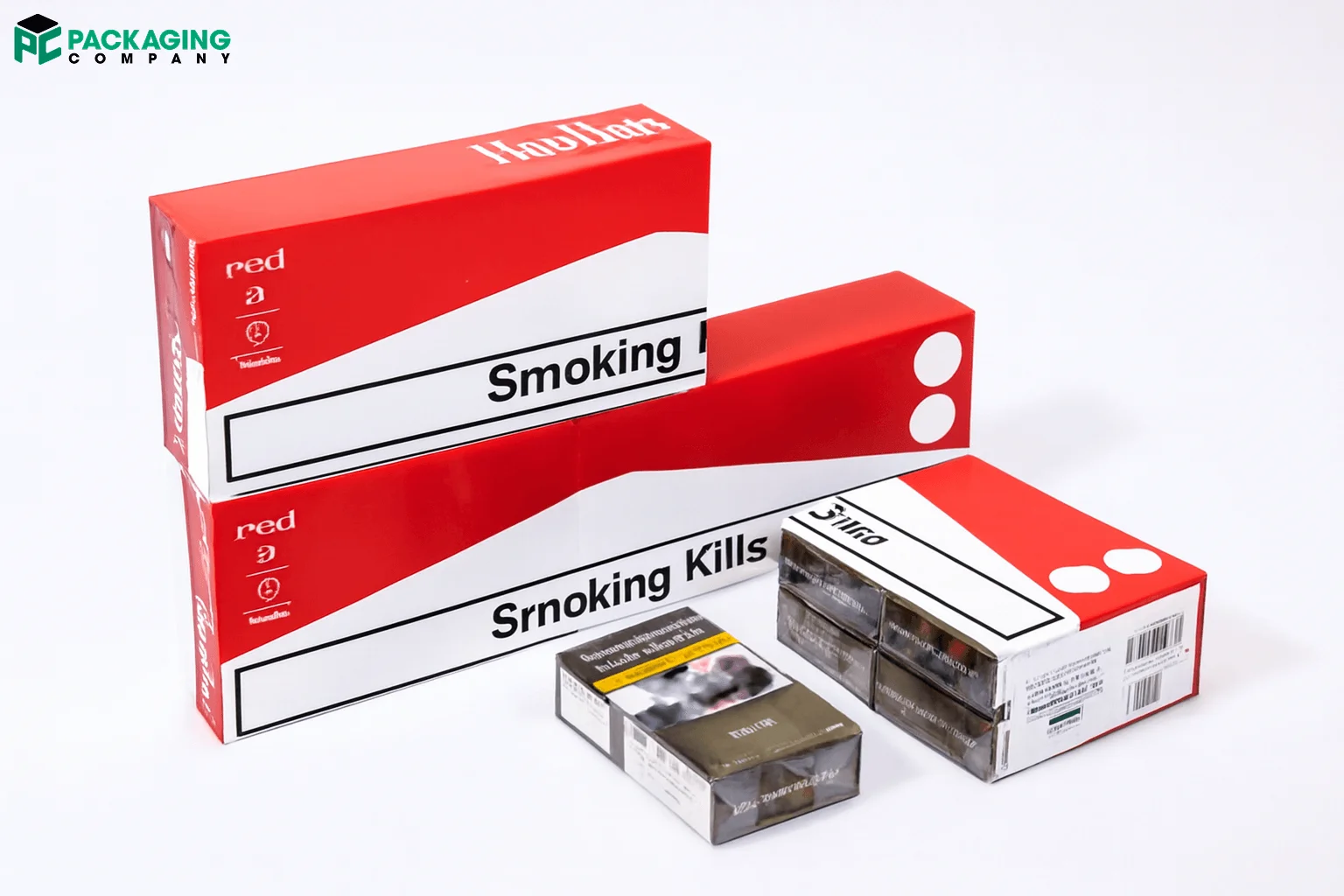
Ten packs in each ultimate carton add up to 200 cigarettes in a ten- pack carton of twenty- two 20- count packs. However, ten packs yield 250 in that carton, if one pack contains twenty- five cigarettes. Cartons help to reduce store passages and bring down the cost per cigarette.
On carton labels, stores frequently print pack counts and total cigarettes, which enables consumers to rapidly compute per-cigarette savings across adjacent businesses and compare carton discounts. Now you know How Many Cigarettes Come in a Pack.
Making Informed Decisions at the Cigarette Shelf
Match the pack size to daily use and storage space. A small pack fits a pocket and keeps only a few cigarettes on hand, which helps control use and reduce waste when storage stays poor. Regular smokers seeking to save money and shop less sometimes benefit from a carton, but a carton requires a cool, dry residence area to stay fresh.
Read shelf tags and verify local regulations for precise pack numbers as the pack may display the count on the label and occasionally on the shelf tag as well. Selecting the proper size helps to reconcile ease and cost.
Popular pack features to notice
- Flip-top packs protect cigarettes and resist crushing in a pocket, which helps people who carry packs daily stay ready.
- Soft packs weigh less and fold flat, so they work well when pocket space matters more than rigid protection.
- Slim packs hold thinner cigarettes for a different feel while keeping the same number of cigarettes inside.
Compare pack features against cost and daily habits before picking a favorite style, and check how the pack stands up to being carried in a wallet or tight pocket.
Cartons and bulk buying benefits
- Buying a carton gives a lower cost per cigarette and helps regular buyers save plutocrat over time.
- One carton cuts the number of store passages and lowers the chance of impulse buys that add to total spending.
- Cartons stay sealed until opening, so a proper carton storehouse keeps cigarettes fresher longer than loose packs left in damp places.
Buying a carton demands more storage room and a higher upfront payment, but the long-term savings make cartons the better buy for many daily users who can store them right.
How to spot real packs
- Check tax stamps and required health warnings to confirm legal compliance and to avoid counterfeit packs.
- Look for clean printing and steady colors in logos and fonts, since fake packs often show blurred art or wrong hues.
- Open the pack and feel the inner foil or paper wrap and the filter build to confirm consistent construction and product standards.
These quick checks help shoppers avoid illegal or low-quality products and help keep purchases safe and lawful.
Price and value | comparing pack sizes
Do a fast per- cigarette price comparison across packs and manufacturers. The cost per cigarette can be calculated by dividing the pack price by the number of cigarettes; divide the price of the carton by the total number to view bulk savings.
Deals, tickets, and state levies affect the ultimate checkout price; therefore, double- check the damage summations rather than just calculate on shelf markers. Simple arithmetic reveals whether a somewhat more expensive pack results in a lesser per-cigarette cost or if the carton saves more over time.
Health and packaging guidelines one should know
Many states seek prominent health warnings on cigarette packets to reduce product attractiveness and increase public awareness of risks. Certain regions apply plain packaging laws to restrict branding and increase the visibility of health messages, therefore lowering the room companies have for logos and color.
Regulatory bans on flavor capsules and marketing terms like "light" suggesting lesser harm are possible; laws may vary as public health objectives change. Buyers should keep an eye out for packaging changes influencing available quantities and presentation.
Standard Styles of Cigarette Packaging
- Beveled-Edged Cigarette Pack
- Round-Edged Cigarette Pack
- Flip-Top Cigarette Boxes
- Slim Cigarette Boxes
- Drawer-Style Cigarette Boxes
Comparing Carton Discounts and Store Sales
Look for discounts on cartons and sales in stores to obtain the most per-unit price, then contrast nearby stores with internet possibilities to identify the lowest true cost per cigarette. Buy from reputable stores that show tax stamps and thorough warning labels to avoid fake goods; check local regulations on single-stick prohibitions before purchasing individual cigarettes.
Before paying, check pack counts using shelf tags and UPC codes; receipts will serve as evidence of a legal purchase in case any doubt at checkout arises.
Popular pack types and features
- Flip-top pack; keeps cigarettes secure and resists crushing when carried in pockets or bags.
- Soft pack; squeezes into tight spaces and stays light when pocket room matters more than rigid protection.
- Slim packs; carry thinner cigarettes for a different feel while keeping the same number of cigarettes.
Cartons and bulk buying benefits
- Lower per- cigarette price reduces long- term spending for frequent buyers.
- Smaller shopping passages save time and cut impulse buys that add to total spending.
- Duly sealed cartons store longer and keep cigarettes fresh until opening when stored in cool, dry spots.
How to spot authentic packs
- Check tax stamps and health warnings for legal compliance and signs of authenticity.
- Look for clear printing, stable colors, and crisp logos to spot counterfeit items.
- Feel the inner wrap and the filters to verify consistent construction and build quality.
How to calculate cost per cigarette?
Do a simple arithmetic calculation at the market to determine the actual cost. Divide the pack price by the quantity of cigarettes to find the cost per cigarette.
Because levies and charges increase the final checkout price, review the damage rather than solely counting on shelf markers. This basic arithmetic enables consumers to determine whether a somewhat more expensive pack offers a reduced per-cigarette cost or if the carton conceals greater savings across time.
How to Keep Cigarettes Fresh and Undamaged
Inside a hard case, carry packs to avoid crushing and to maintain whole filters during the day. Store cartons at home in cool, dry places to save newness longer; avoid leaving packs in hot buses or direct sun to help taste deterioration and paper damage.
To track when stock sits too long and to use aged packs first, mark the purchase date on Cardboard Cigarette Boxes. These little routines preserve product quality and lessen damage from burned cigarettes.
Reading pack labels professionally
Check the pack count listed near to the barcode or on the pack front to make sure how numerous cigarettes are outside ahead to buy. Compare the manufacturer's name, duty prints, and major health warnings to the cashier's barcode checkup if any distinction is set up.
To match interior pack counts and help surprises leading to further passages back to the store, watch the UPC or SKU canons on cartons.
Learn More About How Many Cigarettes In A Pack
Check Original store prices and carton deals to calculate the stylish per- cigarette cost and pick the right pack size for diurnal use and storehouse space. Read pack markers to confirm counts before paying and check store programs on single- stick deals for original clarity.
Answering How Many Cigarettes In A Pack helps shoppers save money and choose the best pack size for everyday needs. Contact the Packaging Company to design cigarette packaging that can lure customers.
FAQs
What is the number of cigarettes in a carton?
A standard one frequently holds ten packs, so a carton of ten 20- count packs has 200 cigarettes while a carton of ten 25- count packs has 250 cigarettes. Cartons list the aggregate on the external box to make quick calculation easy for shoppers.
Do slim cigarettes change the pack count?
No. Slim refers to the cigarette range and not the number in a pack, and utmost slim lines still come in standard 20- count packs. Buyers pick slim for a different mouthfeel while keeping the same number of cigarettes.
Can pack sizes vary by state or retailer?
Yes. Pack sizes vary with state taxes and retailer choices, and many stores stock what local buyers demand and what fits on the shelf.
- Some shops favor 20-count packs for standard shelf placement.
- Other stores stock 25-count value packs to appeal to cost-conscious buyers.
- Duty-free shops may sell odd sizes for traveler convenience.
- Local bans on single-stick sales change what small retailers carry.
- Limited edition packs sometimes use unusual counts.
Why do some packs have odd counts like 26 or 30?
Brands sometimes pick odd counts to match shelf layout, meet promotions, or adjust distribution needs, and those counts often reflect retailer requests or marketing tests.
- Shelf space planning affects pack size choices.
- Promotional pricing can favor odd counts to stand out.
- Tax or shipping rules sometimes push counts up or down.
- Collector or limited runs may use unique counts.
- International brands may keep original counts when selling in the USA.
How many cigarettes are in a pack in the USA?
Most U.S. packs contain 20 cigarettes, and labels print the count so buyers can confirm what sits inside. Store tags and UPC codes also list the count to make checkout clear and simple.
- 20-count serves as the common retail norm.
- 25-count packs act as value choices in some shops.
- Cartons multiply packs to give the total cigarette count.
- Labels and barcodes help avoid checkout mistakes.
- Inventory lists often show available pack sizes.