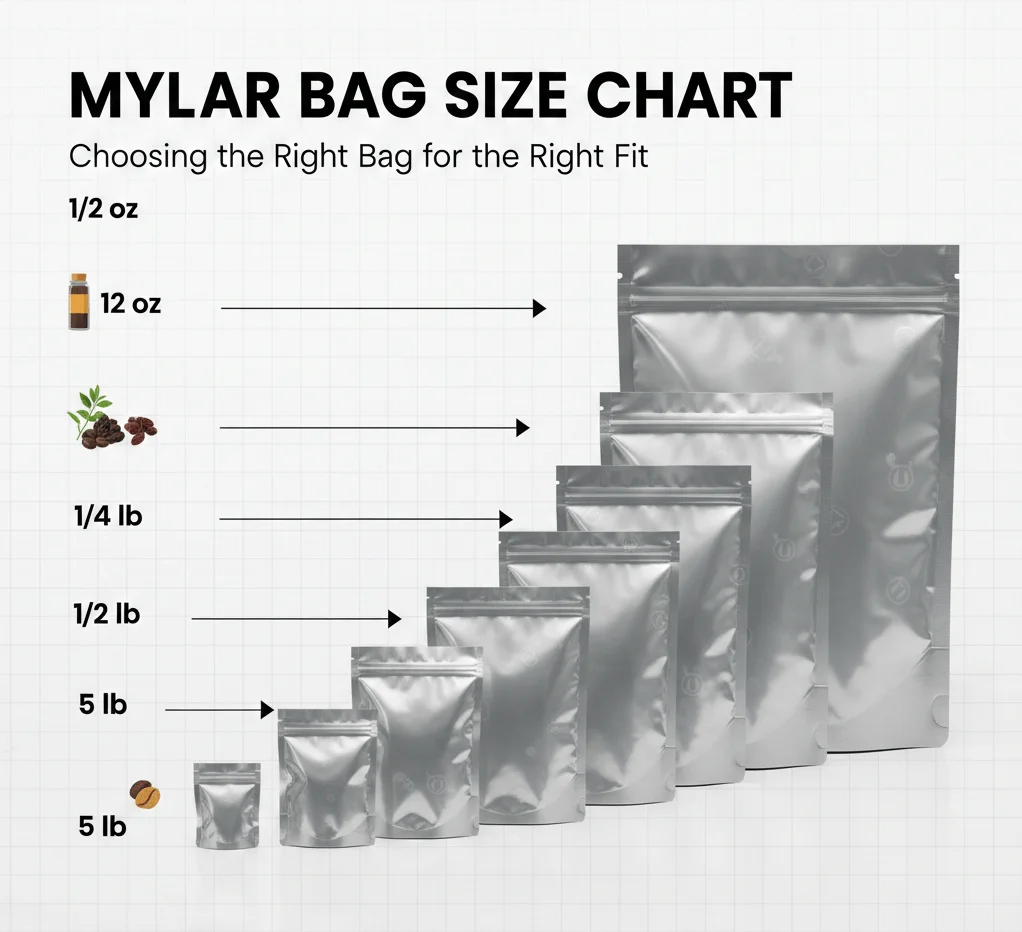
Food storage grows fast in the USA each year, and many homes use Mylar bags for dry goods, snacks, herbs, grains, and long-term supplies. Many sellers across the USA use Mylar pouches for food and long storage, and the packaging market reached about US$1.2 billion in recent years, which shows strong demand for durable, light-blocking packs. A good Mylar Bag Size Chart gives clear sizes, clear weights, and clear uses, so every user picks the right bag for the right job.
Many families rely on smart storage methods, and good bag choices support that routine. A size chart also helps shops plan supplies, stock shelves, and package bulk goods in simple steps. Good organization starts with correct sizing, and that sizing becomes simple with a steady, easy chart.
Mylar Bag Size Chart: A Guide to Perfect Packaging
Common size and capacity
|
Bag size (W x H) |
Typical capacity |
Best-fit items |
|---|---|---|
|
3.5” x 4.5” |
1–2 g |
Samples, spices |
|
4” x 6” |
3.5 g |
Herbs, small snacks |
|
6” x 9” |
~1 oz (8–12 oz coffee beans per style) |
Coffee samples, tea, nuts |
|
8” x 10” |
~8 oz |
Pantry snacks, grains |
|
10” x 14” |
~1 lb |
Rice, flour, oats |
|
12” x 16” |
~1.5 lb |
Beans, pasta |
|
14” x 20” |
~3–5 lb |
Bulk grains |
|
18” x 28” |
~5–10 lb |
Emergency storage |
Small Bags (3″ × 4″ to 4″ × 6″)
They store small quantities of spices, seeds, tea leaves, powdered beverages, or light nibbling. These bags enable several families to arrange tiny things that need newness. Many little shops therefore utilize these bags for samples, testers, and trial-size packages. The compact form offers great security, easy storage, and simple sealing.
Small bags help homes sort spices and tea blends without mess. These sizes also help people carry small servings in lunch boxes or travel kits. It helps users match gram weights with clear bag sizes in seconds.
Small bags store tiny loads, but they deliver strong protection because the material blocks air and moisture very well. Many cooks enjoy using small bags because these bags keep flavors strong and protect delicate herbs.
Small Bag Capacity Table
|
Bag Size |
Approx. Capacity |
Best Use |
|---|---|---|
|
3″ × 4″ |
3–10 grams |
Spices, seeds, small samples |
|
4″ × 6″ |
20–30 grams |
Tea, herbs, light snacks |
Useful Points for Small Bags
- Simple storing for herbs, teas, and small snacks
- Tight layers that shield food from moisture
- Great size for sample packs
- Easy fit for drawers, jars, and boxes
- Smooth filling because of small opening
- Low cost that supports small shops
- Neat size that cuts clutter in kitchens
Small bags help users store small items with ease and clarity.
Medium Bags (5″ × 8″ to 6″ × 9″)
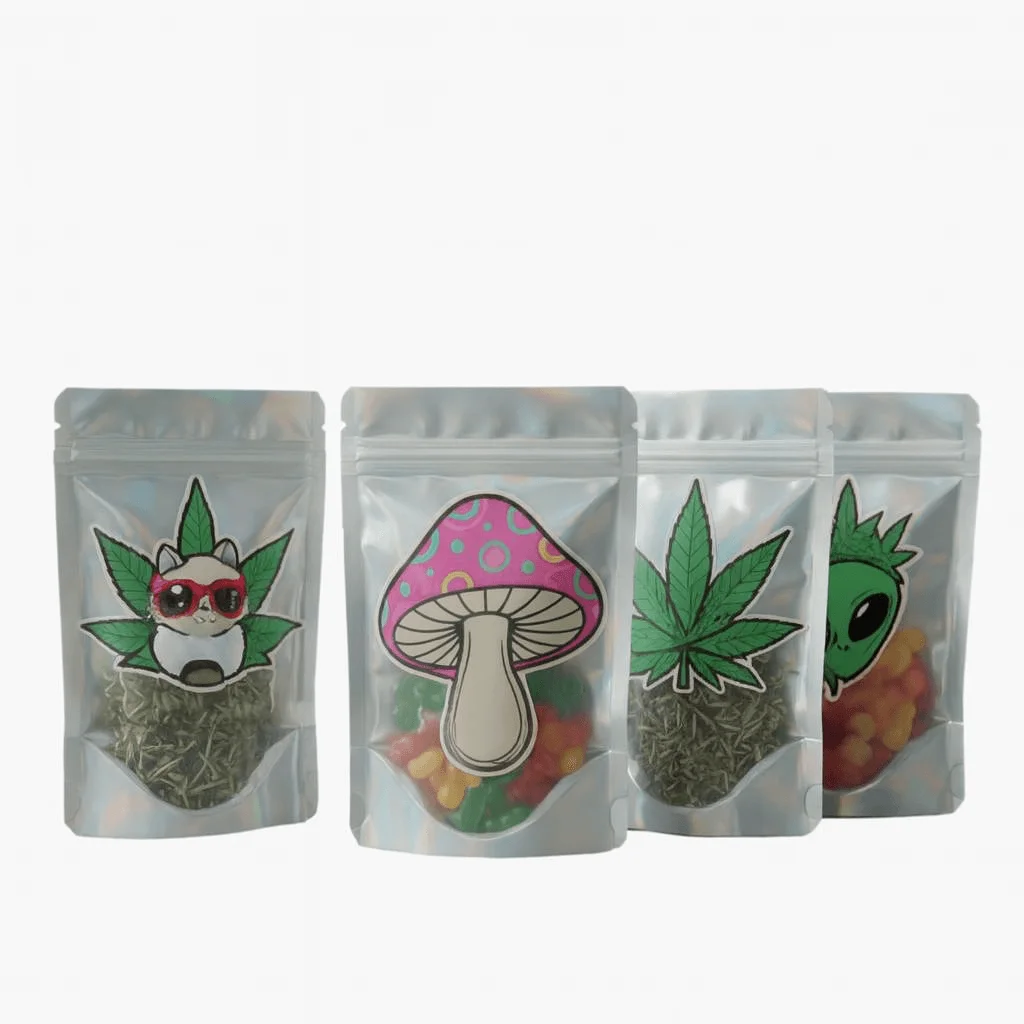 Large Bags (16″ × 20″ to 18″ × 24″) (1)
They help users store snacks, nuts, dried fruit, coffee beans, small craft items, or weekly meal prep portions. Therefore, many stores use medium bags for retail displays because these bags look neat and show labels clearly.
Medium sizes Die Cut Mylar Bags bring balance. These bags handle moderate weights and load fast. Many households use medium bags for snack mixes or meal prep portions. These bags also store loose coffee beans very well because the bag material stops flavor loss from moisture or air.
Medium bags make good use of pantry space. These bags stack well, and they fit shelves without bending. Many snack companies use these sizes because customers enjoy the easy tear-notches and resealable options.
Medium Bag Capacity Table
|
Bag Size |
Approx. Capacity |
Common Items |
|---|---|---|
|
5″ × 8″ |
120–180 grams |
Nuts, snacks, dried fruit |
|
6″ × 9″ |
250–350 grams |
Coffee beans, trail mix |
Why Medium Bags Help
- Handy size for weekly snacks or school lunches
- Good fit for nuts, beans, and dried fruit
- Smooth heat-seal edges that lock in taste
- Clear front options for quick viewing
- Strong enough for travel snacks
- Good space for branding and stickers
- Neat shape for shop shelves and home cupboards
Medium bags offer comfort, strength, and good daily use.
“1-Pound” Bags and Daily Food Storage (8″ × 12″ to 10″ × 14″)
Many homes store daily dry food in mid-size Custom Mylar Bags With Window. Between 8″ × 12″ and 10″ × 14″, bag sizes help customers to pack rice, oats, beans, flour, and pasta. Usually handling about one pound, these proportions vary depending on the density of each food.
Daily food stores easily in these sizes because these bags offer enough space and strong barrier layers. Many people also use these bags during camping trips. These sizes keep food dry, clean, and fresh in any season. Many home pantry systems rely on one-pound bags because these sizes stack neatly without falling.
Mid-size bags also help people portion weekly meals. These bags handle small-batch meal prep for busy homes that cook many meals at once. Many home cooks enjoy these sizes because these bags open wide and seal fast.
One-Pound Bag Capacity Table
|
Bag Size |
Approx. Capacity |
Good For |
|---|---|---|
|
8″ × 12″ |
1 pound (varies by density) |
Rice, oats, beans |
|
10″ × 14″ |
1–2 pounds |
Flour, pasta, grains |
Benefits of These Sizes
- Good fit for daily dry food
- Smooth stacking in any pantry
- Extra room for labels and dates
- No leaks because of strong side seams
- Good size for both home and small shops
- Simple scooping without spills
- Handy for weekend trips or camping meals
Mid-size bags serve as a core storage option for many families.
Large Bags (16″ × 20″ to 18″ × 24″)
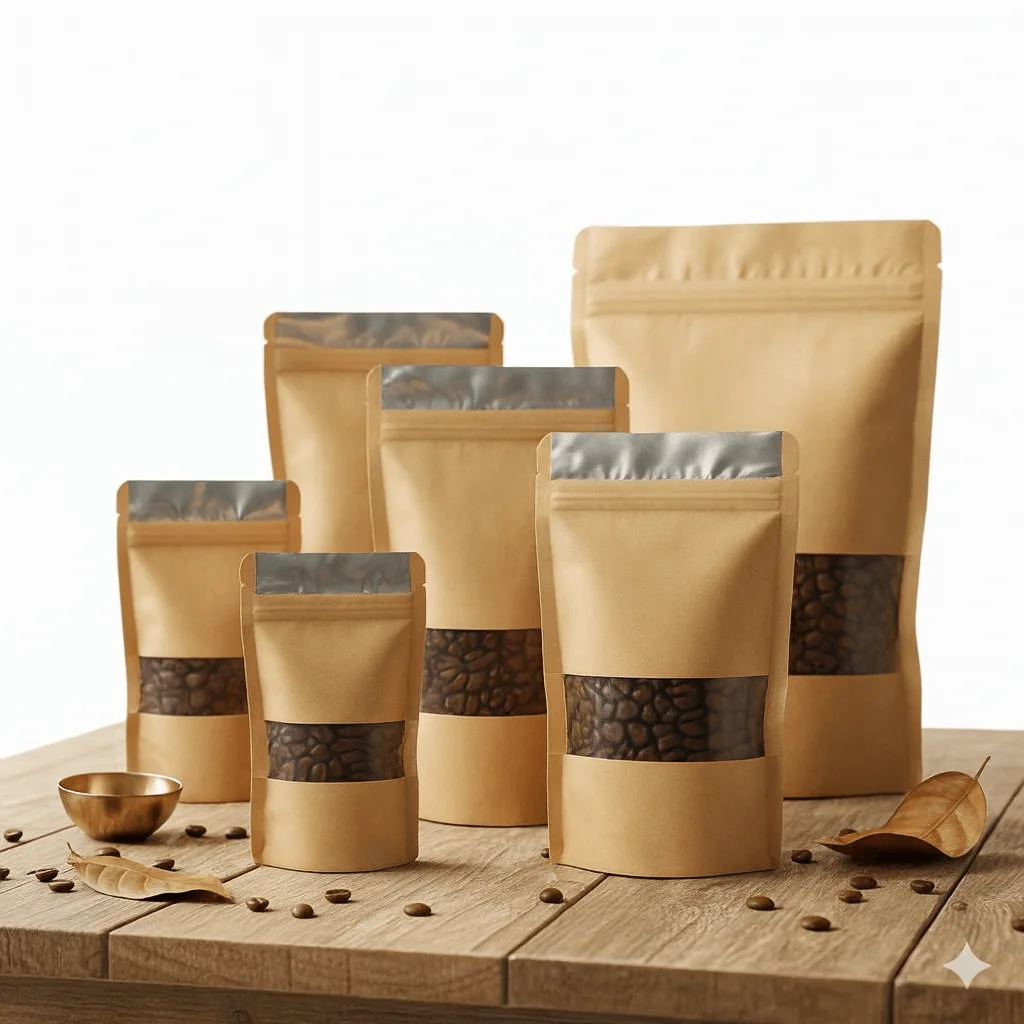
They store multiple pounds of dry food, and these bags let consumers store bulk rice, pasta, oats, beans, and powdered mixes. Many households in the United States acquire enormous volumes. Large bags reduce expenses and improve food security hence. Large bags provide for that plan with their great space, strong seams, and long-term freshness.
Large bags give more storage power. These bags hold gallons of dry food and support long-term storage with strong barrier layers. Many long-term food planners use large bags because these bags protect food from moisture, sunlight, and pest contact.
Large Kraft Mylar Bags help users sort big purchases into organized sections. Also, they cut clutter because these bags reduce the number of containers needed for big loads.
Large Bag Capacity Table
|
Bag Size |
Approx. Volume |
Best Use |
|---|---|---|
|
16″ × 20″ |
2–4 gallons |
Bulk beans, grains, rice |
|
18″ × 24″ |
3–5 gallons |
Emergency food supplies |
Why Large Bags Offer Value
- Big space for bulk food storage
- Thick film that shields food from harm
- Good fit for long-term supply plans
- Low cost per pound stored
- Better strength for heavy loads
- Easy fit for large oxygen absorbers
- Good shape for bins, tubs, and buckets
Large bags help users build strong food reserves.
Extra-Large Bags for Bulk Storage (20″ × 30″ and Bigger)
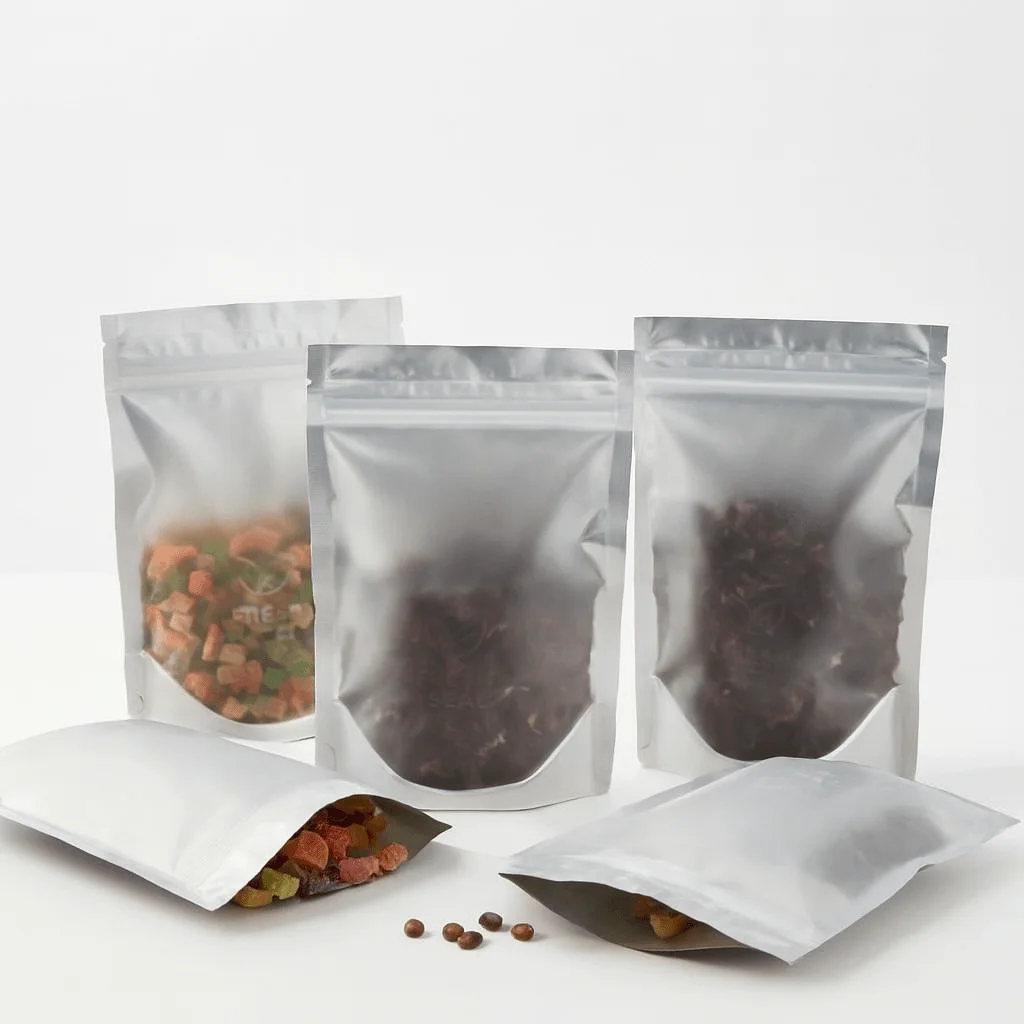
For households, companies, farms, and anybody with long-term plans, they keep great stores. These sacks are suitable for emergency stores of grains, wheat, rice, beans, pet food, and heavy weights. Moreover, these sizes help users who store several months or years of supplies.
Extra-large bags support big storage systems. These bags fit large tubs, tall bins, and sturdy storage buckets. Many homes use these sizes to keep food safe during storms, power loss, or shortages. Many large families also buy grains in 25–50 pound sacks, and extra-large bags help divide that load into simple sections.
Extra-large bags also help sellers pack bulk goods for markets. These Resealable Mylar Bags offer strong barrier layers and tough seams that hold heavy food without ripping.
Extra-Large Bag Capacity Table
|
Bag Size |
Approx. Volume |
Best Use |
|---|---|---|
|
20″ × 30″ |
5–8 gallons |
Family food supplies |
|
24″ × 36″ |
8–10 gallons |
Bulk grains and storage bins |
Why Extra-Large Bags Work Well
- Huge room for long-term planning
- Good match for big oxygen absorbers
- Tough film that resists punctures
- Strong seams for large loads
- Good value for big families
- Easy organization in large bins
- Great use for emergency kits
Extra-large sizes help anyone who stores food at scale.
Common Mylar Bag Sizes and Uses
|
Size (inches) |
Typical Use |
Approx. Capacity |
|---|---|---|
|
4×6 |
Single snacks |
0.5–2 oz |
|
6×9 |
Small powders, samples |
2–6 oz |
|
8×12 |
Snacks, small retail items |
4–8 oz |
|
10×14 |
1 lb dry goods |
~1 lb |
|
12×16 |
Larger retail packs |
2–5 lb |
|
20×30 |
Bulk storage |
10–25 lb |

Why Thickness and Material Strength Matter
Size alone cannot protect food. Thickness and material strength play the biggest role. Mylar bags use strong polyester layers. They block air, moisture, smell, and light. Thicker films help food stay fresh for long periods. Many USA homes store food for months or years, and thicker bags support that goal.
Thin bags work best for short-term snacks or spices. Thick bags handle sharp grains, heavy loads, and long storage. A user who checks a Mylar Bag Size Chart should also check the thickness section, because thickness changes how long food stays fresh.
Thickness Table
|
Thickness |
Ideal Use |
|---|---|
|
3–4 mil |
Spices, herbs, light snacks |
|
5–7 mil |
Grains, beans, long-term storage |
Why Thickness Helps
- Thick film stops air from leaking
- Strong layers hold shape during filling
- Good tear strength for sharp grains
- Longer shelf life for stored food
- Extra support with oxygen absorbers
- Better heat-seal strength
- More safety in transport or movement
Correct thickness enhances cleaner, safer storage.
Matching Food Weight, Volume, and Bag Size
Food density changes how a bag fills. A pound of beans uses less space than a pound of cereal. A pound of flour packs tighter than a pound of pasta. A smart Mylar Bag Size Chart shows general sizes, but users need to match food type with space. That step gives total control over weight, volume, and bag selection.
A quick test with a sample bag helps users check space, headroom, and sealing ease. This small test saves money and time. Many homes that store bulk goods use this step to avoid spills or wasted bags.
Density Comparison Table
|
Food Type |
Density Level |
Notes |
|---|---|---|
|
Beans |
High |
Needs less room |
|
Rice |
Medium |
Fits well in mid-size bags |
|
Cereal |
Low |
Needs extra space |
Quick Tips for Matching Size
- Measure food with a cup or scale before filling
- Pick thicker bags for food with sharp grains
- Leave sealing space at the top
- Use oxygen absorbers for long storage
- Sort food by type and density
- Label fill date and weight on each bag
- Store finished bags in dry, cool places
These steps help every user apply the Mylar Bag Size Chart with accuracy and order.
Absorber Capacity
|
Bag volume |
Absorber capacity |
Typical contents |
|---|---|---|
|
1–2 cups |
50–100 cc |
Herbs, spices, small snacks |
|
1–2 quarts |
300–500 cc |
Coffee, rice, oats |
|
1–5 gallons |
1000–2000 cc |
Bulk grains, beans |
Tip: Seal within minutes after adding absorbers to reduce oxygen and moisture exposure
Common mistakes and quick fixes
|
Mistake |
What happens |
Quick fix |
|---|---|---|
|
Overfilling |
Weak seams, leaks |
Leave headspace, reduce fill |
|
Thin film for heavy load |
Tears, punctures |
Move to 7 mil |
|
Dirty seal zone |
Gaps, failure |
Wipe clean before sealing |
|
Small absorber |
Flavor loss |
Upsize to correct cc |
|
No label/date |
Confusion, waste |
Add clear labels |
Practical Tips Before Buying or Filling Mylar Bags
Good preparation helps any user work faster and smarter with Mylar bags. Many homes set up a storage area with bins, labels, oxygen absorbers, and clean scoops. A solid Mylar Bag Size Chart helps users plan supplies and avoid extra costs.
Bag choice depends on food type, density, and time length. A user who stores food for a week needs small or medium bags. A user who stores food for a year needs large or extra-large bags with thick walls.
Helpful Tips Table
|
Task |
Why It Helps |
|---|---|
|
Measure food first |
Matches bag size to load |
|
Pick thick bags for long storage |
Protects freshness |
|
Buy sample bags |
Prevents wasted money |
|
Label bags clearly |
Tracks freshness date |
|
Store in dry area |
Reduces spoilage |
Extra Practical Points
- Fill bags on a clean, dry surface
- Scoop food gently to lower spill risk
- Pick small bags for spices or tea blends
- Pick large bags for heavy grains
- Use oxygen absorbers for long-term storage
- Place filled bags in bins or buckets
- Rotate food on a steady schedule
Smart prep helps every user apply the Mylar Bag Size Chart with strong confidence and steady results.
Choose Smart with the Mylar Bag Size Chart
A clear Mylar Bag Size Chart gives every user the power to store food with confidence, ease, and strong results. Good planning starts with the right bag, the right thickness, and the right size for each type of food. Each bag brings strength, safety, and long-term freshness.
Choose the sizes that match your needs today and build a clean, simple storage plan with the Mylar Bag Size Chart at your side. Choose the right bag today and build smarter storage by ordering Mylar bags from Packaging Company.
FAQs
How many ounces fit in a 5″ × 8″ bag?
A 5″ × 8″ bag holds around 4–6 ounces and works well for snacks, nuts, or dried fruit.
Why do bag sizes change with different foods?
Food density changes space needs because each item fills a bag in a different way.
- Beans pack tight
- Rice settles smooth
- Cereal needs more room
- Pasta shape shifts in a bag
- Flour packs down
- Snacks take uneven space
- Density sets size choice
What thickness works best for stored food?
A thickness of 5–7 mil works well for long storage because thick film blocks moisture and air.
- Thick layers stop leaks
- Grains stay dry
- Beans hold shape
- Heat-seals stay strong
- Bags resist sharp edges
- Food keeps its flavor
- Storage stays clean
What is the largest common Mylar bag size?
Sizes around 20″ × 30″ or 24″ × 36″ serve as common extra-large options for homes and shops.
Do bag dimensions match exact capacity?
No. Dimensions offer guidance. Food density controls how a bag fills.
- Dense food fits tight
- Light food spreads out
- Pasta bends and shifts
- Grains settle fast
- Snacks bunch up
- Powder packs firm
- Tests prevent errors