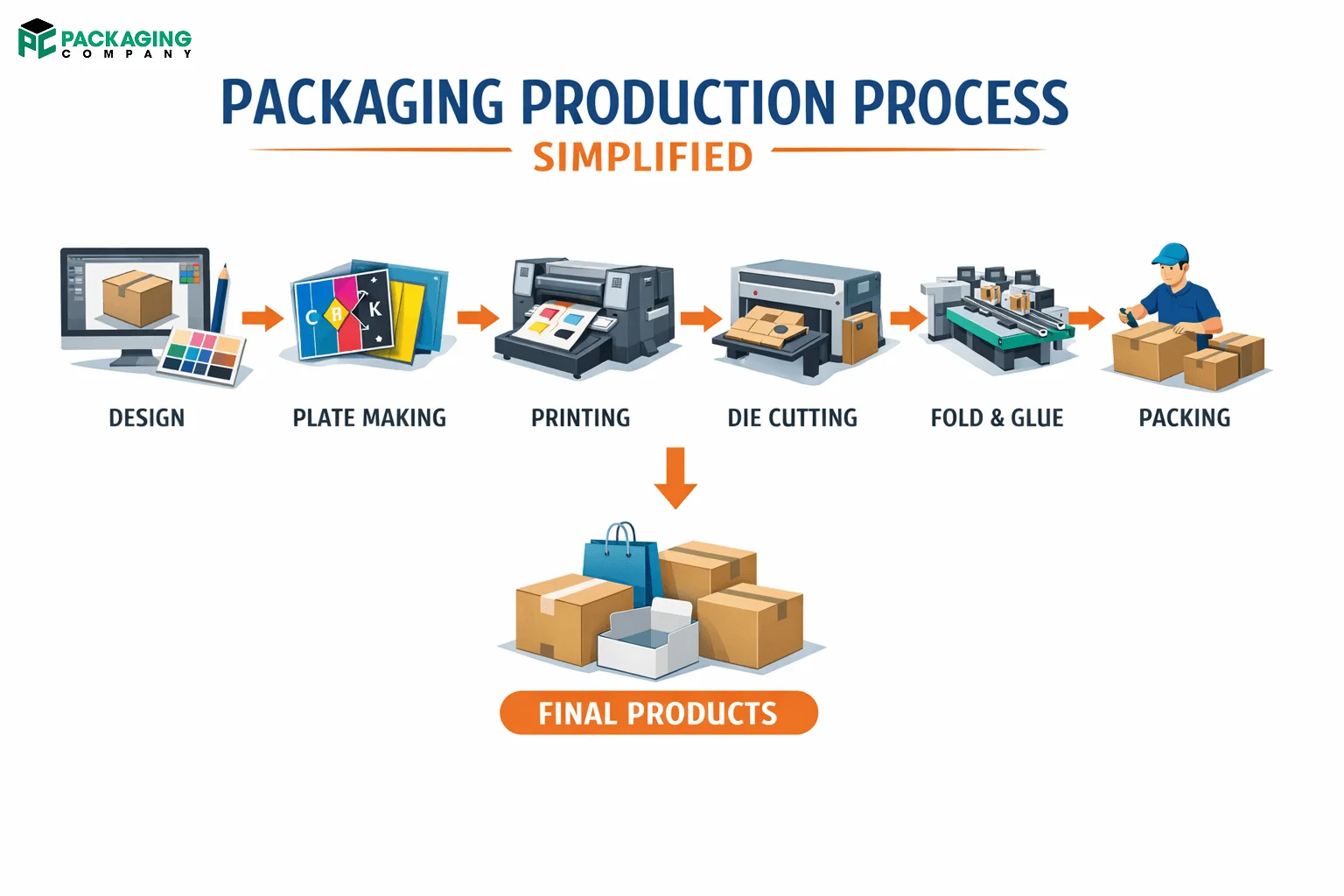
The Packaging Production Process covers every step that turns a product idea into a safe, sale-ready package that reaches store shelves and customers’ hands. Many plants run high-speed lines that handle hundreds of units per minute and aim for reject rates under 1%. Good planning helps brands cut waste, protect product quality, and boost shelf appeal.
Mastering the Packaging Production Process: From Concept to Shelf
Use these steps for your Packaging Production Process to plan materials, choose machines, meet food-contact rules, and improve supply chain flow.

Design And Specification — How The Pack Must Work And Sell
Design sets the pack’s job and its look. Teams set shelf life goals, pick barrier properties, and test prototypes in a Control Box that holds samples and notes. Designers measure size, weight, and how the pack fits on shelves and in machines. They set cost targets per unit and plan for print runs.
Typical prototype time runs 1-2 days, and approval can take 7 days depending on tests and approvals. Use clear labels and strong graphics to help shoppers choose your product. Track these facts in a Design Box to keep records and decisions in one place. Good design balances protection, cost, and visual appeal so the product sells and survives transport.
- Lead time: 7-12 days for design to approval.
- Prototype runs: 100–1,000 samples.
- Cost drivers: material, print, tooling.
Material Sourcing And Prepress — Where Raw Materials Meet Artwork
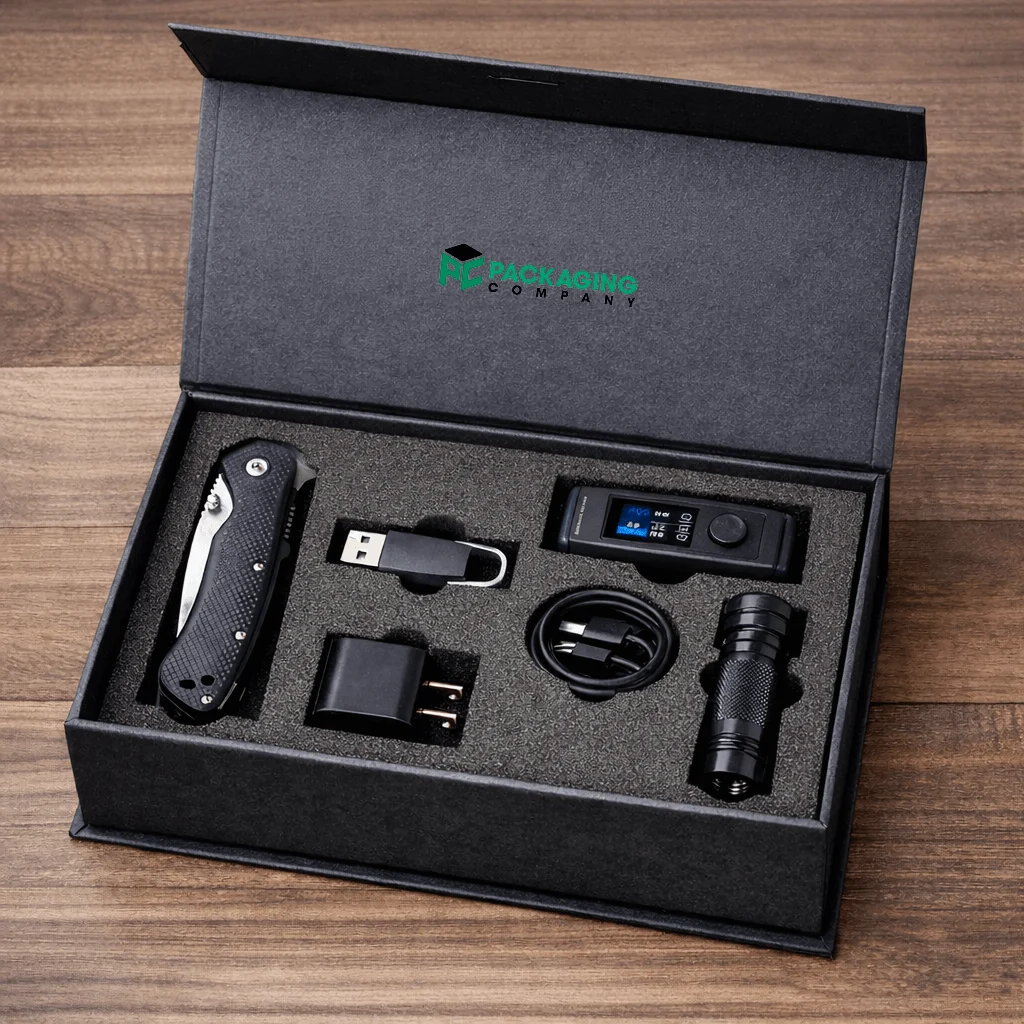
Buyers order films, papers, inks, adhesives, Custom Box Inserts and coatings from trusted suppliers and check certificates for safety. They run lab tests for barrier performance and strength. Minimum order levels set by vendors span 1,000 to 50,000 units. Log barrier performance and cost per unit and test materials under actual circumstances with a Sample Box.
Prepress teams convert artwork into print-ready files and proof colors. They check barcodes, nutrition panels, and legal text. Excellent sourcing lowers waste and reduces delays. Maintain a supplier scorecard to evaluate lead times, quality, price. By doing so, it is easy to complete the Packaging Production Process. Teams pick the best partners for long runs and short runs alike.
- MOQ range: 1,000–50,000 units.
- Material tests: barrier, migration, tensile strength.
- Supplier audits: schedule every 12 months.
Printing and Converting — How Graphics And Shape Come To Life
Printers apply color and varnish using printing methods like flexo, gravure, and digital. Converters laminate layers, slit rolls, and die-cut shapes to form the final blank. High-speed lines can reach 200–600 meters per minute on some machines.
Setup waste often stays under 1–5% of the run. Teams track ink use, color shifts, and registration to keep brand colors steady. Use a Print Box to store proofs, ink recipes, and machine settings. Good print control lowers rework and keeps customers happy with consistent packaging across batches and seasons.
- Print speeds: up to 600 m/min on gravure.
- Setup waste: 1–5% typical.
- Color checks: every shift or run.
Forming, Filling, Sealing — How The Product Meets The Pack
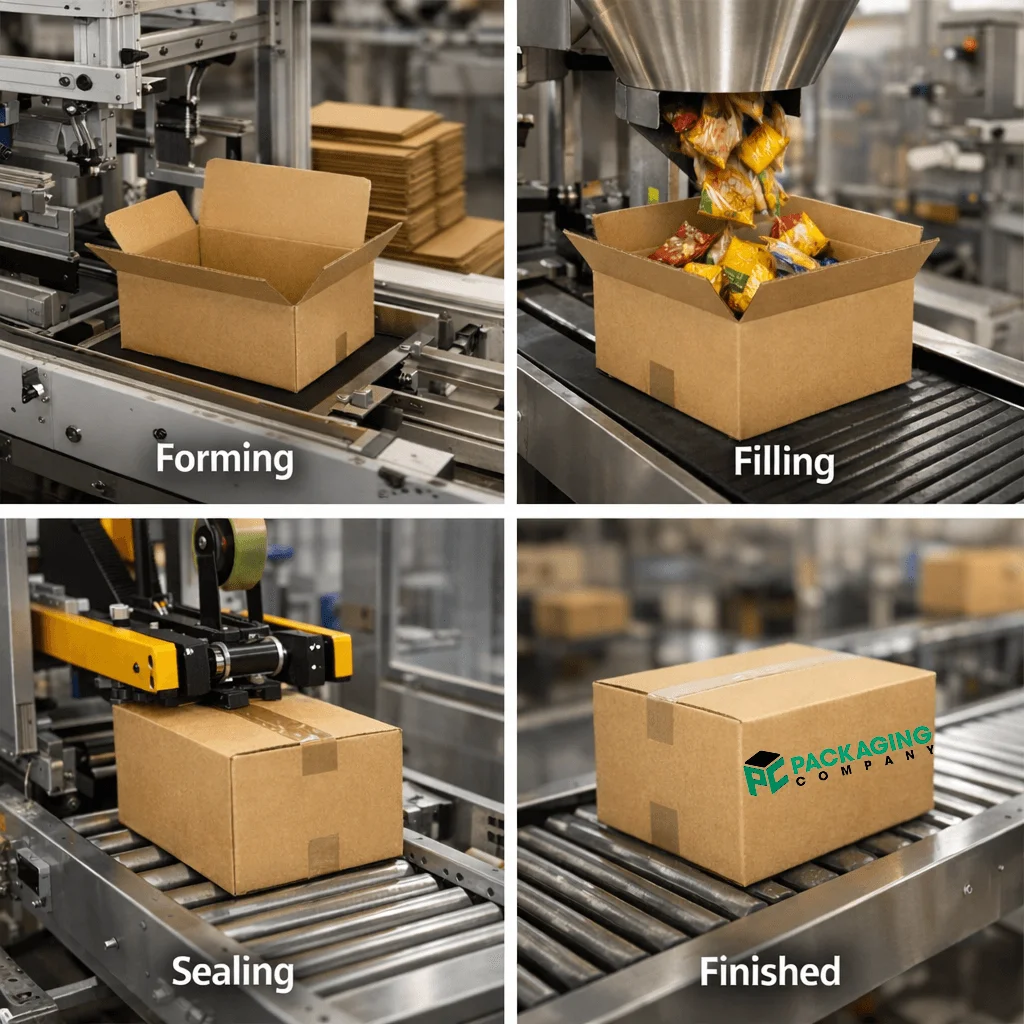
Machines form pouches, blow bottles, or mold tubs while fillers dose product with tight accuracy and sealers close packs to keep product fresh and safe. Lines measure throughput in pieces per minute (ppm) or bottles per minute (bpm). Small pouch lines run 50–300 ppm, while bottling lines can run 20–1,200 bpm depending on size and speed.
Operators check fill accuracy to within ±0.5–2% and test seals for strength. Use a Test Box to hold samples for burst, vacuum, and leak checks. Log failures and corrective actions to cut rejects and protect brand trust. Good machine setup and steady maintenance keep lines running and reduce downtime.
- Pouch lines: 50–300 ppm.
- Bottling lines: 20–1,200 bpm.
- Fill accuracy: ±0.5–2%.
Inspection and Quality Control — How Teams Keep Standards High
Quality teams run vision checks, weight checks, and lab tests to catch defects before packs leave the plant. They mark batches with codes for traceability and keep reject rates low. Good systems aim for under 1% rejects and full traceability for recalls.
Quick identification of print errors and mislabels using automated vision systems. Maintain a QC Box with test results, calibration logs, and corrective measures. Teams check materials for migration and contamination, following food-contact guidelines. Track root causes and trends to stop recurring issues and to raise line uptime and consumer happiness.
- Target reject rate: under 1%.
- Calibration: schedule every 30–90 days.
- Traceability: batch codes, barcodes, ERP links.
Secondary Packaging and Palletizing — How Packs Travel Safely
Automated palletizers stack cartons, cases, and trays on pallets; workers pack finished units into cartons, cases, and trays in order to save time and prevent injuries. Trucks and warehouses from 1.0 to 1.5 meters fit standard pallet heights. SKU and retailer restrictions determine case pack sizes. Keep carton specifications, pallet patterns, and stretch-wrap configurations using a packing box.
Good pallet patterns maximize truck space and cut freight cost. Track cube utilization and weight per pallet to avoid shipping surprises and to lower transport cost. Automation helps plants scale without adding many manual workers.
- Pallet height: 1.0–1.5 m common.
- Case pack: set per SKU and retailer.
- Automation ROI: often 1–3 years.
Logistics and Distribution — How Product Reaches Customers
To keep cabinets full and cash flow strong, logistics teams manage inventories, choose carriers, and plan routes. Domestic transportation usually takes 1–7 days, depending on distance and carrier. Export shipments call for customs documents and lead times depending on port and path. Keep carrier contacts, packing lists, and transit times in a Logistics Box.
To maintain stock fresh and lower storage costs, teams monitor inventory turns and target 6–12 turns annually. Clear batch codes and packing lists reduce errors and expedite warehouse processing. Good logistics maintain customer happiness and help to prevent stockouts.
- Domestic transit: 1–7 days typical.
- Inventory turns: aim 6–12/year.
- Customs lead time: vary by route and port.
Packaging Types Comparison
|
Type |
Best for |
Typical run |
|---|---|---|
|
Flexible film |
Snacks, pouches |
1k–100k units |
|
Rigid plastic |
Bottles, tubs |
5k–1M+ units |
|
Paperboard |
Boxes, cartons |
500–500k units |
Chart Showing Units Per Minute)
Flexible pouches: 150–300 ppm
Bottles: 60–200 bpm

Materials Costs (per 1,000 units)
|
Material |
Low cost |
High cost |
|---|---|---|
|
Polyethylene film |
$30 |
$120 |
|
Paperboard |
$50 |
$300 |
|
PET bottles |
$200 |
$1,200 |
How to Choose The Right Food Packaging For Your Product
Pick food packaging that protects the food, keeps it fresh, and helps it sell. Start by listing the product needs: moisture control, oxygen barrier, light protection, and shelf life. Match those needs to barrier properties and to the right materials. Test the pack with real product in a Sample Box to check taste, smell, and shelf life under real conditions. Check machine compatibility so the pack runs on your lines without slowdowns.
Include nutrition facts and clear labels to satisfy standards and assist consumers in making fast decisions. Integrate shelf appeal and sustainable packaging targets with cost per unit. Run pilot fills to confirm performance before full production of packaging and use data to tune machine settings and reduce waste.
- Shelf life tests: real-time and accelerated.
- Machine checks: run pilot at target speed.
- Sustainability: measure weight and recyclability.
5 Steps Of Packaging A Product
Choose suppliers and materials, organize production, specify what the pack must do, build it, then ship to customers. Keep records using boxes: Design Box, Sample Box, Test Box, QC Box, and Logistics Box. Each step needs clear metrics and targets so teams measure success and fix problems fast. Define shelf life, target cost per unit, and run size.

Create prototypes and test them under real conditions. Approve materials only after lab tests and machine trials. Set quality checks and traceability before you ship. Use data from pilot runs to tune machine settings and to reduce waste and downtime.
- Define requirements: size, protection, shelf life, cost.
- Design & prototype: artwork, samples, and tests.
- Select materials & suppliers: test for safety and fit.
- Scale production: set up printing and filling lines.
- QC & ship: inspect, pack, and distribute.
Boxes and Special Pack Types to Consider
Offer the right box type for the product and the brand story. High-end goods requiring great protection should use bespoke rigid boxes. Select customized kraft boxes for environmentally conscious businesses looking for a natural appearance and easy recycling. Use shipping boxes that satisfy carrier rules to guard goods during transportation.
Select a Perfume Gift Set with soft-touch accents and insertions that transforms your gift. Include internal trays, foam inserts, or tamper-evident seals to protect fragile items and improve unboxing. Compare cost, protection, and shelf appeal using a Box Options Table so teams choose the most appropriate match for every SKU.
|
Box type |
Best for |
Key benefit |
|---|---|---|
|
Luxury goods |
High protection; premium feel |
|
|
Custom kraft boxes |
Natural brands |
Recyclable; low cost |
|
Shipping boxes |
Bulk shipments |
Strong; carrier-friendly |
|
Perfume Gift Packaging |
Fragrances |
High perceived value |
Partner with Experts to Perfect Your Packaging
Use these tips to cut waste, speed up lines, and meet rules that protect your brand and customers. Contact a packaging expert to run a pilot, compare materials, and test printing methods on your product. Start your Packaging Production Process today by hiring the Packaging Company and make packs that sell, protect, and perform.
FAQs
What does primary packaging mean?
Primary packaging immediately contacts the product. Among those pouches, bottles, and tubs Primary packs protect the goods, hold the proper serving, and bear labels informing customers what the product contains and how to use it.
What is flexible packaging?
Films and pouches that bend and fold define flexible packaging. It sometimes lowers transportation expenses, weight, and room. Standard runs span 1,000 to 100,000 units depending on the product and market.
How do teams test seals?
Teams use burst tests, vacuum tests, and leak checks. They log failures and aim for less than 1% failure rate. Use a Test Box to store samples and test records for each run.
- Burst test: measures seal strength.
- Vacuum test: checks for leaks.
- Sample size: 30–100 units per run.
How do I ensure traceability?
Print barcodes and batch codes on every pack. Keep packing lists in a Logistics Box and link ERP records with link codes. Traceability aids in quality audits and recalls.
When should I automate palletizing?
Automate when volumes grow and manual stacking slows lines or causes injuries. Many plants see ROI in 1–3 years when they add robotic palletizers.
How do I measure packaging performance?
Cost per unit, track reject rate, fill accuracy, and line uptime. Set goals for an uptime above 90%, fill accuracy within ±1%, and reject rate under 1%.