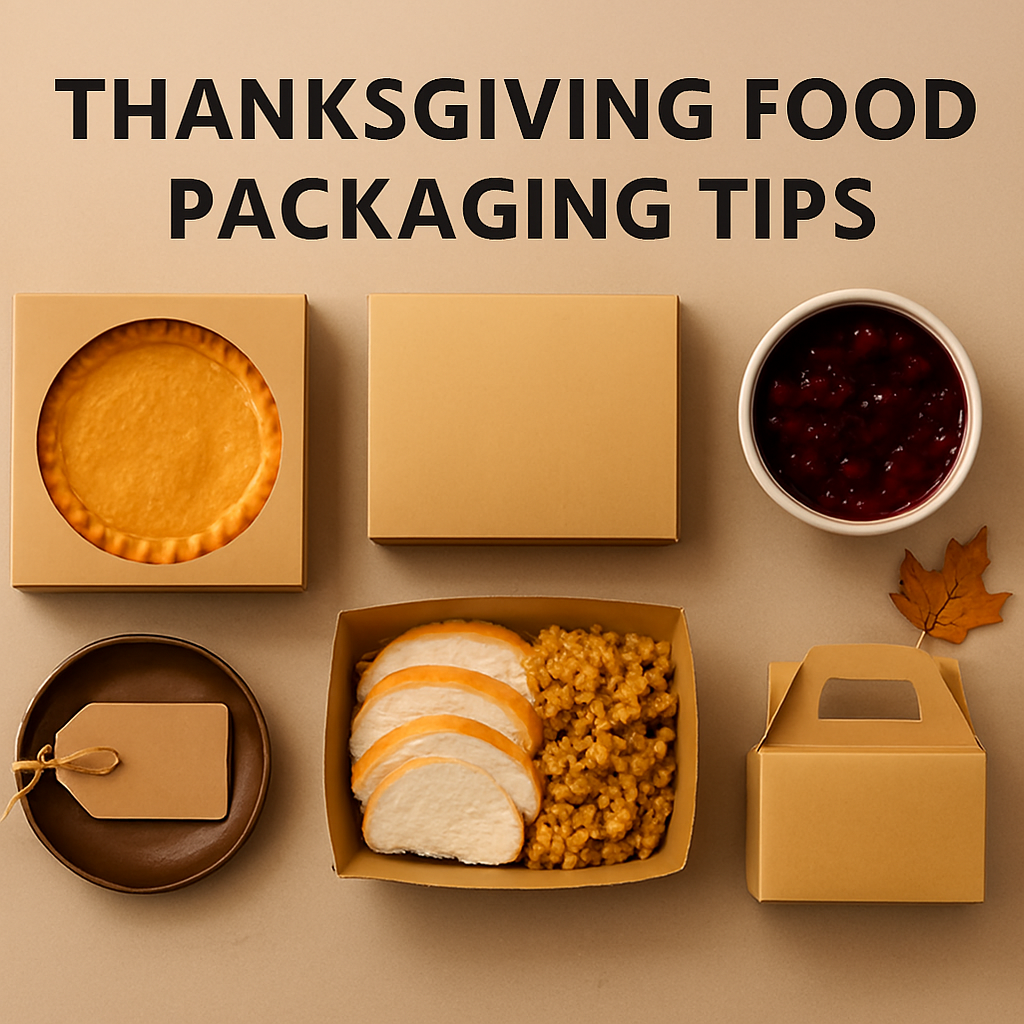
In the 2025 Thanksgiving holiday period, U.S. online shoppers are projected to spend approximately $6.4 billion on Thanksgiving Day, representing a 4.9% increase year-over-year. Custom Thanksgiving Food Boxes wholesale set the mood for every holiday meal and create the first impression before anyone opens the lid. Good Thanksgiving Food Packaging wholesale maintains food safe, seems appetizing, and instills confidence in consumers regarding the meal within.
Good boxes tell a story, protect food, and enhance the entire feast to feel unique; hence your custom printed Thanksgiving Food Boxes should try to accomplish all three.
11 Thanksgiving Food Packaging Trends to Craft Catchy Thanksgiving Food Boxes
On shelves and online, packaging functions like a silent salesperson. Shoppers make decisions in seconds; hence, one product may gain over another by way of clear labels, warm colors, and truthful material choices. Design that looks careful sends a message about quality and care. People can find the free thanksgiving food boxes near me but designing your own will give you benefits you can’t ignore.
Add small extras and a clear reheating guide to make the buyer feel supported. Every detail that helps the host put food on the table with less stress adds value and builds repeat purchases. Bold, readable text gets the key facts across fast and helps hosts plan meals without confusion.
1. Use warm seasonal colors to invite comfort
At a glance, fall hues indicate warmth and comfort. Choose three to five colors that create a consistent palette and use them across products. For grounding, employ deep pumpkin, warm gold, olive green, and kraft brown.
To preserve readability, keep high contrast between background and text. Keep your graphics clear and striking so your thumbnails and photos stay appealing. Consistent color choices create shelf presence and help shoppers spot the brand among many options.
2. Choose materials that show care and quality
Choose compostable liners, molded pulp trays, or strong cardboard appropriate for food temperatures. Clearly identify the substance with a one-line recycling or compost instruction so consumers understand how. Provide samples and feel tests before final printing to make sure the box handles steam, grease, and transport.
Match the material to the meal: heavy mains need stronger trays and secure closures while desserts can use lighter cardstock with a window. Thoughtful materials both protect food and add perceived value.
3. Add shaped windows that reveal the dish
A shaped die-cut window gives a direct view of the food and builds shopper confidence. Cut windows as a round pie peek, a pumpkin silhouette, or a leaf shape for character. Use compostable film for food safety when needed and keep the window small enough to protect product stability.
Windows boost impulse buys by showing real texture and color. For handmade pies or glazed sides, a clear peek can make the difference between purchase and pass.
4. Create unboxing joy with small keepsakes
Include one small reusable item to raise perceived value and encourage social shares. A cloth napkin, wooden serving spoon, or printed recipe card turns a box into a gift-like moment. Keep the keepsake practical and brand-aligned so the buyer uses it again.
Place a short note on the card that explains reuse to extend the life of the keepsake. That human touch adds emotional weight and increases chances that the customer will show food boxes for thanksgiving on social media.
5. Use labels that guide hosts clearly
Write labels like a friendly helper standing at the stove. Place the item name, reheating steps, serving size, and allergen info where people look first. Keep the flow simple to follow by using strong fonts, short lines, and numbered steps in the instructions.
Include symbols for vegetarian, gluten-free, and nut-free to expedite reading at hectic periods. Clear labels reduce calls and returns and make the meal service smoother for hosts and guests.
6. Release limited seasonal art to spark early sales
Offer a few limited-run designs each season to create urgency and collectibility. Number small runs or add a short window for sales to push early orders. Test seasonal looks without altering key packaging using sleeves, stickers, or bands.
Collectors and gift purchasers are drawn to limited editions, which also generate buzz online. Promote these releases through early-bird offers and highlight the small-run nature to increase demand.
7. Design boxes for compact shipping and quick packing
Create boxes that fold flat, pop open quickly, and lock securely without tape. Use lock tabs and simple closures that speed the packing line and cut labor costs. Standardize a family of box sizes so inserts work across multiple SKUs and reduce inventory complexity.
Efficient designs lower shipping costs and make storage simpler during peak demand. Test prototypes on the packing line to catch weak points before full production.
8. Tell a short, human story on the box
Add one short sentence about the recipe, the local farmer, or the kitchen crew to build connection. Keep the tone warm and direct and place the line where people actually read it.
Highlight one simple fact, like a family recipe or a local ingredient, and avoid long paragraphs that readers skip. A single human detail links product to memory and encourages repeat purchases through emotional recall.
9. Add QR-driven extras to extend value
On Custom Apparel Boxes, insert a QR code connecting to themed playlists, printable place cards, reheating videos, or plating suggestions. Create a brief, mobile-friendly landing page that matches the box images and offers rapid, practical content.
Digital extras add value without bulk and help customers deliver better-tasting results at home. Track QR scans to measure engagement and refine future content based on what customers actually use.
10. Pick tactile finishes for a real touch of quality
Add a matte laminate, textured paper, or spot gloss to the lid or handle area where hands touch most. Allow selective finishing to keep costs under control while putting the premium feel where it matters.
Tactile finishes make unboxing feel special and encourage photos. Test these finishes in real light and on camera to ensure appearance translates well online.
11. Mix artisan cues with clear practical guidance
Combine craft signals such as stamped logos, twine, and kraft paper with clear icons and reheating steps. Hand-feel details make the product feel made with care while practical labels reduce kitchen errors.
Balance charm and utility to create a product that feels genuine and still performs in busy feedings. That balance often wins both gift buyers and everyday hosts.
Table Showing Thanksgiving Food Packaging Designing Ideas
|
Element |
Key Focus |
Materials/Actions |
Customer Impact |
Design Considerations |
|---|---|---|---|---|
|
Warm Seasonal Colors |
Color Palette and Readability |
Use deep pumpkin, gold, olive green, kraft brown |
Creates cozy atmosphere, easy brand recognition |
Maintain high contrast for readability |
|
Quality Materials |
Material Choice |
Compostable liners, molded pulp, strong cardboard |
Increases value, ensures safe transport |
Test for durability (steam, grease) |
|
Shaped Windows |
Visual Appeal |
Die-cut windows (e.g., pie, pumpkin, leaf) with compostable film |
Boosts impulse buys by showcasing food |
Keep window small for stability and protection |
|
Unboxing Joy (Keepsakes) |
Emotional Connection |
Reusable items (napkins, spoons, recipe cards) |
Encourages social sharing, adds value |
Keepsakes should be brand-aligned and reusable |
|
Clear Labels |
Ease of Use |
Clear labels with item name, reheating steps, allergens |
Reduces confusion, improves meal prep experience |
Simple fonts and clear symbols |
|
Limited Seasonal Art |
Urgency and Collectibility |
Limited-run designs (sleeves, stickers, bands) |
Creates exclusivity, drives early orders |
Promote limited nature, offer early discounts |
|
Efficient Box Design |
Shipping and Packing Efficiency |
Fold-flat boxes, lock tabs, no tape needed |
Lowers shipping costs, speeds up packing |
Test prototypes for ease of use |
|
Human Story on Box |
Emotional Connection |
Short personal touch (family recipe, local ingredient) |
Builds connection and repeat purchases |
Keep it short and direct; place in readable spots |
|
QR-driven Extras |
Value Addition |
QR codes for playlists, tips, or printables |
Increases engagement, enhances user experience |
Ensure landing page is mobile-friendly |
|
Tactile Finishes |
Premium Feel |
Matte laminate, textured paper, spot gloss |
Enhances unboxing experience, adds luxury feel |
Test finishes in lighting and online appearance |
|
Artisan and Practical Design |
Blend Craft with Practicality |
Stamped logos, twine, kraft paper with clear icons and reheating steps |
Balances charm with utility, appeals to all customers |
Ensure practicality doesn’t compromise aesthetics |
Packaging systems for small brands and caterers
Small brands should streamline SKUs and pick a core box family that covers most needs. Use modular inserts that fit multiple sizes to reduce tooling costs. Test two or three design variants with loyal customers and collect feedback to learn which option works best.
Train Biodegradable Food Packaging experts to follow a quick checklist so each box leaves with the same quality. Review sales and returns data after the first season and adjust materials or sizes accordingly to keep costs low and quality high.
Packaging checklist for food safety
- Use food-grade liners and coatings for greasy or saucy items.
- Confirm that trays and lids tolerate reheating temperatures without warping.
- Keep allergen zones separate during packing to avoid cross-contact.
Design checklist for brand and visuals
- Make the logo readable at a glance on small screens and shelves.
- Choose a clear, legible typeface for all instructions and labels.
- Keep imagery consistent across products to build recognizability.
Operational checklist for fulfillment
- Test flat-pack efficiency and the speed of pop-open assembly.
- Check closure durability during real transport and handling.
- Train staff to pack fragile items and to add keepsakes in a consistent spot.
Show Disposal Instructions for Better Recycling
State one clear disposal step on the front: recycle, compost, or separate components. Place a small icon and a single sentence that shows the correct action. Avoid long lists of certifications on the front; include those details on the inside card or the QR landing page instead.
Clear, simple guidance increases the chance customers do the right thing and helps the product claim ring true.
Low-cost upgrades that feel premium
- Add a printed recipe card with plating ideas and small tips.
- Use a kraft board with a single-color foil accent to lift the look without big costs.
- Replace plastic trays with molded pulp inserts to cut waste and feel more natural.
Packing efficiencies that reduce waste
- Standardize on a few box sizes to lower inventory and reduce leftover stock.
- Use multi-use inserts across product lines to cut tooling complexity.
- Pre-fold boxes and prep labels before peak days to speed packing.
Marketing moves that cost little
- Offer early-bird preorders with a small freebie to move inventory.
- Encourage user photos with a tiny discount code to build social proof.
- Use bundle promotions for slow-moving items to clear stock while giving value.
Ready to improve Thanksgiving Food Boxes
Take these steps to make each order feel special and easy to serve. Improve material choices, refine labels, and add one small keepsake to boost perceived value. Track metrics and test seasonal art to find what resonates.
Use these practical tips to design Thanksgiving Food Boxes that sell better, travel safer, and make hosting simpler for busy holiday guests. Refresh designs and test changes early to keep the season smooth and successful. Contact Packaging Company now to buy custom Thanksgiving Food Packaging in bulk.
FAQs
What packaging keeps Thanksgiving food hot and fresh?
- Use insulated liners and thermal inserts that retain heat.
- Pick trays and lids that tolerate oven or warm-holding temperatures.
- Seal vents smartly to prevent sogginess while keeping steam.
- Add clear reheating steps in a short, numbered list so hosts follow easily.
- Offer vacuum-sealed sides for longer shelf life when needed.
- Labels hold times in bold so hosts plan the table without guesswork.
Where Can I Get a Thanksgiving Food Box?
Contact Packaging Company now as our packaging experts can design custom thanksgiving boxes that will lure your target audience. Call us now to get your printed Thanksgiving food boxes delivered.
How should allergens appear on holiday boxes?
- Put common allergens first and bold their names for quick scanning.
- Place simple icons near item names so hosts read at a glance.
- Add a short cross-contact warning for shared kitchens to stay safe.
- Include full ingredient lists via QR code for those who need details.
- Make allergen notes easy to find where hands normally rest on the box.
- Give one contact method for urgent allergy questions.
What box sizes should a brand offer?
- Single-serve boxes work well for desserts and portioned sides.
- Family-size boxes suit main dishes and shared sides for small tables.
- Buffet trays fit large gatherings and catering orders for big events.
- Combo boxes pair a main with sides for a table-ready option.
- Sampler boxes help introduce new flavors with low risk for buyers.
- Offer custom corporate sizes for large gift orders and events.