Flexible Packaging Trends 2026 shows how makers move new films from tests into full runs and store shelves. Brands want light packs that cut shipping cost and lower carbon while they keep food fresh and safe. Converters change machines to run recycled blends and keep lines fast. Retail buyers ask for packs that fit more units per shelf and resist breakage.
Shoppers want easy-open, resealable packs that work at home and on the go. Teams measure savings in weight, freight, and waste to prove value and to meet rules. This shift changes design, materials, and supply chains across regions.
Flexible Packaging Trends 2026: From Lab to Shelf — Scalable Sustainability Wins
These 2026 Flexible Packaging Trends will guide everyone. They are product teams, buyers, and sustainability leads as they scale new films and formats. Brands that act now can cut cost and waste while they win shelf space and shopper trust.
1. Recycled-content plastics go mainstream
Companies purchase more recycled resin to reduce emissions and fulfill objectives. Many American companies make long agreements to secure supply and seek 25–50% recycled content by 2028. Converters coach personnel to prevent downtime and calibrate lines to use recycled mixes. Recycled PET and rPE cut energy use in key steps. Some plants show energy drops near 66% compared with virgin resin.
Sorting centers expand to supply cleaner feedstock and re-processors add capacity to meet demand. Teams track recycled content by batch to meet reporting rules and customer promises. This change cuts waste and helps brands meet rules while they keep product protection high and costs under control.
- Targets: many brands aim for 25–50% recycled content by 2028.
- Energy: rPET can use about 66% less energy than virgin PET in some steps.
- Supply: more investment in sorting and reprocessing to meet resin demand.
2. Bioplastics scale beyond pilots
Companies move bioplastic films from pilots into real runs for short-life items. Producers use PLA and PHA for snacks, fresh produce, and single-serve packs that industrial composting can handle. Brands pick compostable films where collection systems exist or where they can run take-back programs and clear labeling. Makers work to improve barrier strength so bioplastics match traditional films for oxygen and moisture control while they test cost tradeoffs.
Retailers add collection points and train staff to guide shoppers on proper disposal. Teams run trials to check shelf life, seal strength, and shopper response before they scale. This work helps brands claim lower fossil-carbon footprints while they keep product safety high. It is one of the top Flexible Packaging Trends 2026.
- Materials: PLA and PHA lead compostable film growth.
- Use cases: snacks, fresh produce, single-serve items.
- Need: more industrial composting access and better barrier performance.
3. Pouches and sachets win shelf space
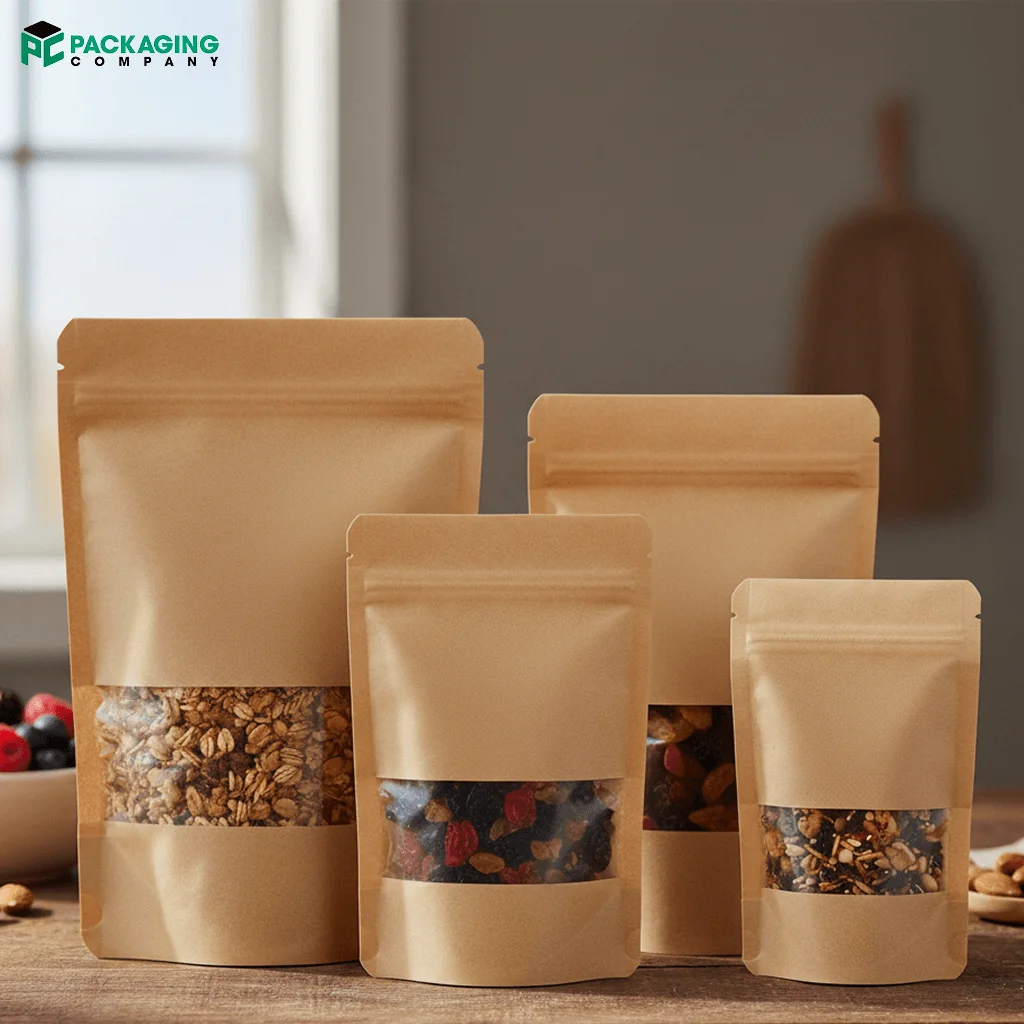
Pouches and sachets expand as they save material and space when enhancing shelf impact. Stand-up pouches offer a striking visual and use less plastic than jars or cans, reducing transport weight and freight cost. Pouches are used for dry foods, pet food, sauces and personal care and they can add reseal zippers to maintain freshness at home. Retailers like Stand Up Food Pouches because they pack more units per shelf and cut breakage during handling.
Single-serve sachets help portion control and reduce food waste for some products while they offer trial sizes that drive trial purchases. Converters add spouts and easy-pour features to improve user experience and to cut spills.
- Share: pouches hold a major slice of flexible pack sales in many categories.
- Benefits: lower material use; lighter shipping; strong shelf impact.
- Features: reseal zippers, spouts, and high-quality printing.
4. Recyclable design rules shape laminates
Design teams redesign laminates to make recycling easier and to meet new rules. Brands move toward mono-material films that recyclers accept more easily and drop mixed layers that block recycling. Some countries demand recycled content disclosure and clear labeling, therefore teams test adhesives and coatings that enable films to recycle without weakening their barrier strength.
To help customers to segregate packets and prevent contamination, brands include straightforward on-pack instructions. To demonstrate benefits to merchants and legislators and to establish trust, teams evaluate end-of-life results and distribute information. Designers also test peelable seals and easy-separate layers to help recovery and to keep product protection high. This work helps Perfume Gift Packaging or any other kind of packaging enter existing recycling streams and cuts contamination while it keeps product safety intact.
- Trend: mono-material laminates gain traction across categories.
- Regulation: more rules ask for recycled content disclosure and clear recycling labels.
- Design focus: adhesives and coatings that do not block recycling while keeping barrier performance.
5. Flexible Packaging Market Trends in E-Commerce and Delivery
Online shopping changes how brands pack goods and how logistics teams plan shipments. Flexible packs cut weight and lower shipping cost, which matters for margins and carbon. Retailers want packs that survive transit, show no leaks, and fit into standard mail sizes so they reduce returns and complaints. Brands include reseal capabilities, tamper proofing, and cushioning films to shield delicate goods and minimize returns.
For subscription boxes and direct to consumer brands, flexible packaging lowers waste and enhances unpacking. Companies measure returns and damage rates to prove value to buyers and to tune pack strength. Teams also test mail-friendly pouch sizes to lower postage and to speed packing. The result shows more flexible formats in e-commerce assortments and more testing of protective films that still fold flat for storage.
- Benefits: lower shipping weight; fewer returns from damage; lower freight costs.
- Features: tamper evidence; reseal zippers; cushioning films.
- Impact: better customer experience and lower logistics spend.
6. Barrier Tech Cuts Food Waste and Saves Money
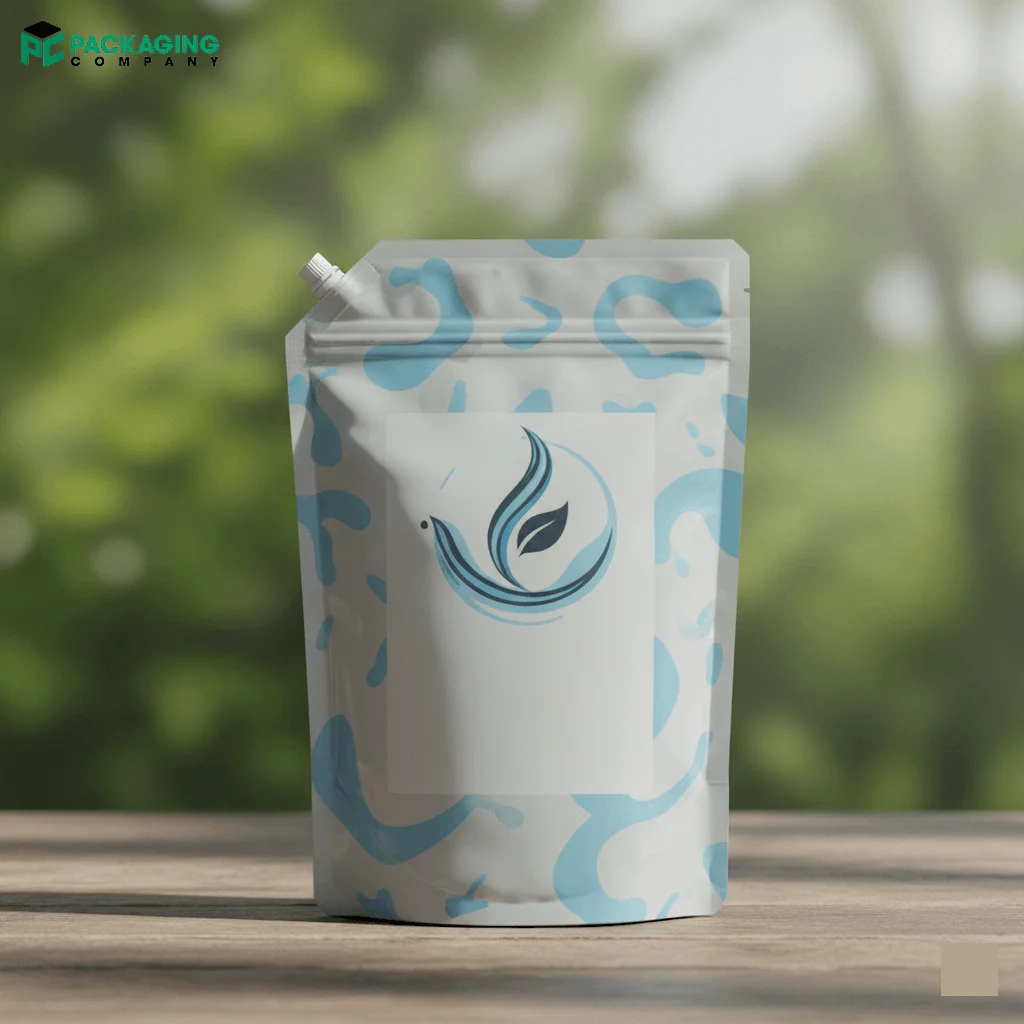
Brands utilize superior barrier films to increase shelf life and cut spoilage all through supply networks. High barrier layers prevent oxygen, moisture, and scents, therefore fresh and processed foods last longer on cabinets and in pantries. Companies track shelf life increases and show stores how longer life lowers markdowns and waste. To reduce spoilage and to maintain texture and flavor, food producers employ modified atmosphere packaging using flexible films.
The overall result raises margins for perishable goods and reduces food loss. Longer shelf life is then promoted by brands as a sustainability benefit that lowers costs for customers and stores. Teams monitor shrink rates and compare costs to show the business justification for barrier upgrades and to get customer authorization. Use this one of the best Flexible Packaging Trends 2026 now in your favor.
- Impact: longer shelf life reduces food waste and markdowns.
- Tech: high-barrier layers and modified atmosphere packaging.
- Result: better product freshness and lower supply-chain loss.
7. Automation And AI Speed Production and Quality
Factories use automation and AI to test new films and to spot defects faster than people can. Machines inspect film quality at high speed and flag issues before packs leave the line so teams avoid costly recalls. AI helps design teams pick film blends that meet barrier and recycling goals while it speeds recipe trials.
Automation cuts repetitive tasks and raises line uptime so converters run more trials and scale faster. Teams use line data to tune recipes and to cut waste during start-ups. Companies also use AI to predict resin needs and to plan resin buys that lower cost and risk. The result shows faster adoption of new materials and more consistent quality across batches, which helps brands scale without losing performance.
- Benefits: faster testing; fewer defects; lower unit cost.
- Tools: AI for design; automation for inspection and handling.
- Outcome: quicker scale-up of sustainable films and better line efficiency.
8. Regional Shifts: Growth, Rules, and Investment
Markets change by region because rules and demand differ. Leading Europe with rigid recycling policies and clear labeling, which drives companies to rebrand packets and show recovery rates. Demand for flexible packaging is increasing most rapidly in the Asia Pacific region as more customers purchase packed products and as retail changes. Many companies are trying compostable alternatives and recycled material as they strike a compromise between price and availability in the U.S. market, which remains big and stable.
Companies plan investments where rules and consumer demand align so they can scale new films where recycling and composting systems can handle them. Brands also track regional resin costs and recycling capacity to choose the best materials for each market. Teams map local recovery systems before they launch new pack types to avoid green claims that fail in practice. Consider this one of the useful Flexible Packaging Trends 2026.
- Europe: strong rules on recycling and labeling drive design changes.
- Asia Pacific: fastest growth in demand for flexible packs.
- U.S.: large market with steady adoption of recycled content and new formats.
Flexible Packaging Market Segments
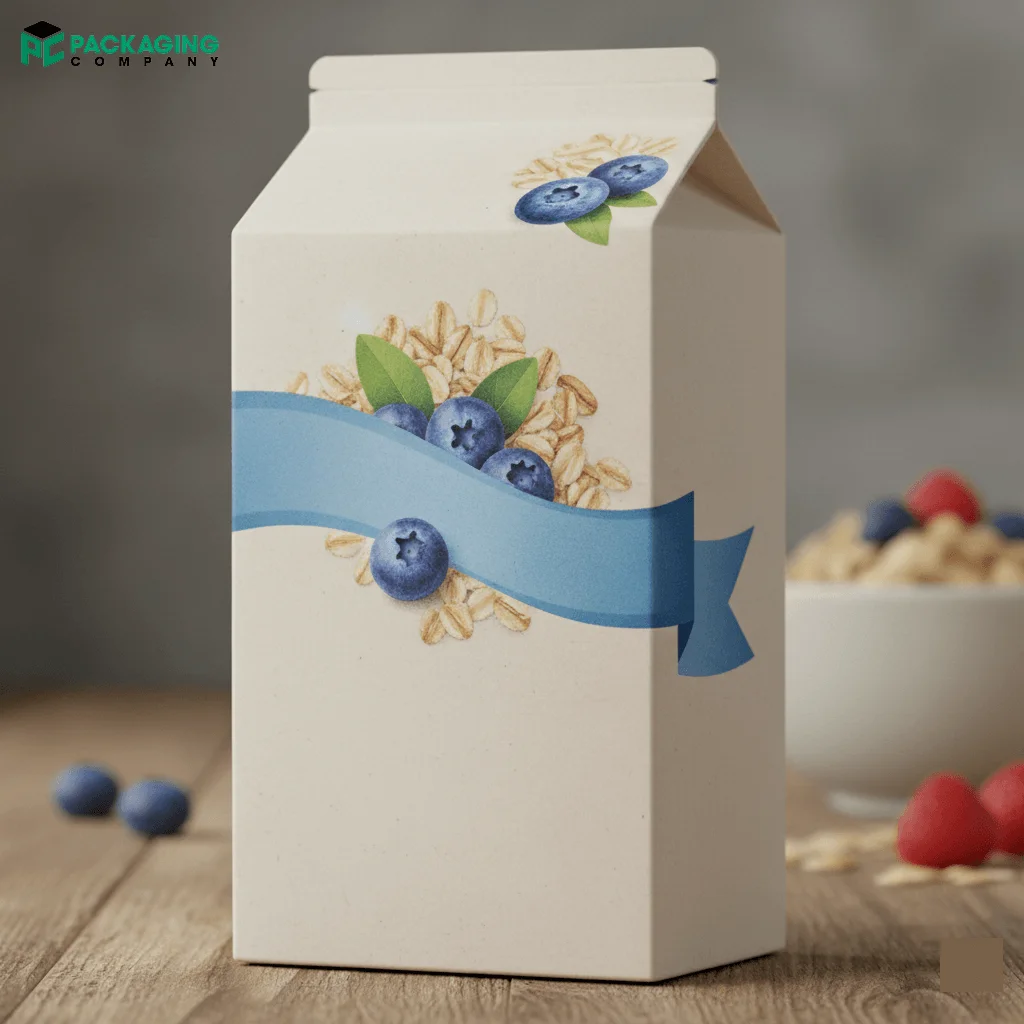
- Material: Recycled plastics; Bioplastics; Paper; Cellulose films; Metalized films.
- Packaging type: Pouches; Bags & sacks; Wraps; Sachets; Films; Spouted pouches.
- Functionalities: compostable; recyclable mono-material; high-barrier; resealable; tamper-evident.
- End-use: Industrial chemicals, pet food, pharmaceuticals, personal care, food and beverage.
- Channel: E-commerce; Grocery retail; Convenience stores; Food service; B2B bulk supply.
What are Types of Flexible Packaging
Pouches (stand-up, flat):
- Hold dry goods, liquids, and powders while they save space and weight.
- Pros: strong shelf presence; reseal options; lower transport weight.
- Cons: many pouches use multiple layers that complicate recycling; spouts and zippers add cost and complexity.
Films & wraps:
- Wrap pallets, cover trays, and protect fresh produce during transport and display.
- Pros: use little material; fold flat for storage; low cost per unit.
- Cons: standard films may not block oxygen well enough for long shelf life; some films need thicker layers for strength.
Sachets & single-serve packs:
- Deliver single portions for trials, travel, or sampling while they reduce food waste per use.
- Pros: portion control; low food waste per use; low price point for shoppers.
- Cons: high unit count makes collection and recycling harder; per-unit packaging waste can add up.
Bags & sacks:
- Marry bulk goods like grains, pet food, and industrial powders with strong film strength.
- Pros: strong for heavy loads; efficient for bulk transport; often reusable in industrial settings.
- Cons: heavier films raise material use; some require liners that complicate recycling.
|
Metric |
Value |
Note |
|---|---|---|
|
U.S. market (approx.) |
$63.5 billion (2023) |
Large domestic demand for flexible packs |
|
Energy saving example |
~66% |
rPET vs virgin PET energy use in some steps |
|
Pouch share |
High single-digit to mid-30s % |
Pouches hold a major share in many categories |
Comparison table: Types, Pros, Cons
|
Type |
Main use |
Pros |
Cons |
|---|---|---|---|
|
Pouches |
Retail foods, liquids |
Strong shelf impact; reseal; light weight |
Multi-layer recycling issues; added cost for spouts |
|
Films & wraps |
Tray wrap, pallet wrap |
Low material use; low cost |
Lower barrier for long life; strength limits |
|
Sachets |
Single-serve, samples |
Portion control; low waste per use |
Hard to collect; many units per product |
|
Bags & sacks |
Bulk goods |
Strong; efficient for transport |
Heavier film; liners complicate recycling |
Energy use: virgin PET vs rPET
|
Material |
Share |
Visual |
Quick note |
|
Virgin PET |
100% |
🟦🟦🟦🟦🟦🟦🟦🟦🟦🟦🟦🟦🟦🟦🟦🟦🟦🟦🟦🟦🟦🟦 |
Baseline: full share |
|
rPET |
34% (approx. energy use) |
🟩🟩🟩🟩🟩🟩🟩🟩🟩🟩🟩🟩 |
Recycled PET — lower energy footprint vs virgin |
Flexible pack type share
|
Pack Type |
Share |
Visual |
Quick note |
|
Pouches |
35% |
🟧🟧🟧🟧🟧🟧🟧🟧🟧🟧🟧 |
Leading flexible format |
|
Films |
25% |
🟨🟨🟨🟨🟨🟨🟨🟨🟨🟨 |
Thin-film applications |
|
Bags / Sacks |
20% |
🟪🟪🟪🟪🟪🟪🟪🟪🟪🟪 |
Bulk and industrial use |
|
Sachets |
10% |
🔵🔵🔵🔵🔵 |
Small-portion convenience |
|
Other |
10% |
⚪⚪⚪⚪⚪ |
Miscellaneous formats |
How to Get Boxes with Flexible Packaging Trends of 2026
Use the trends to move pilots into full production and to win on shelf and in the warehouse. Flexible Packaging Trends 2026 can help your brand cut waste, save freight, and meet new rules while it keeps product quality high. If you want custom packaging wholesale that can grab instant attention, call the Packaging Company.
FAQs
What drives the shift to flexible packaging?
Brands chase lower shipping cost, less material use, and better shelf impact while they meet shopper demand for easy-open and resealable packs. Retailers want higher unit density per shelf and fewer breakages. Companies set sustainability goals that push them to use recycled content and lighter films. These forces push design teams to test new films and converters to adapt lines so brands can scale successful formats.
Are compostable pouches common?
Compostable pouches grow fastest for short-life foods and single-serve items. Brands use PLA and PHA where industrial composting exists. Compostable films work well for snacks and fresh produce but they need proper collection and processing to deliver environmental benefits. Companies test take-back programs and clear labeling to improve recovery.
- Materials: PLA and PHA lead compostable film growth.
- Use cases: snacks, fresh produce, single-serve items.
- Need: more industrial composting access and better barrier performance.
How do pouches help retailers and brands?
Pouches cut material use and lower shipping weight, which reduces freight cost and improves margins. They pack more units per shelf and reduce breakage compared with rigid containers. Brands add reseal zippers and spouts to improve user experience and to reduce food waste at home.